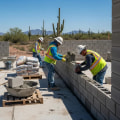
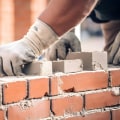
Masonry services encompass a wide range of construction techniques that utilize materials such as brick, stone, and concrete. These services are essential for creating durable structures, from residential homes to commercial buildings. Understanding the intricacies of masonry projects is crucial for ensuring their longevity and structural integrity. One often overlooked aspect of masonry work is the impact of weather conditions on the materials and processes involved. Weather can significantly influence the outcome of masonry projects.
For instance, extreme temperatures, whether hot or cold, can affect the curing process of concrete and mortar. High humidity levels can also lead to complications such as efflorescence, which can mar the appearance of masonry surfaces. Therefore, it is vital for contractors and homeowners alike to be aware of how different weather conditions can alter the performance of masonry materials. Moreover, understanding the types of masonry—such as brickwork, stonework, and blockwork—can help in selecting the right approach for a project based on local climate conditions. Each type has its own set of characteristics that may react differently to environmental factors.
By considering these elements, one can make informed decisions that not only enhance the aesthetic appeal but also ensure the durability and safety of masonry structures.
The Role of Temperature in Masonry Work
Temperature plays a crucial role in the success of masonry services, influencing both the curing and setting processes of materials like mortar and concrete. Understanding how temperature affects these materials can help ensure a durable and long-lasting masonry project.Effects of Cold Weather on Masonry
When temperatures drop below 40°F (4°C), the curing process of masonry materials can be significantly hindered. Cold weather can lead to:- Delayed setting times: Mortar and concrete may take longer to set, increasing the risk of structural issues.
- Increased risk of freeze-thaw cycles: If moisture is present, freezing can cause expansion, leading to cracks and weakened structures.
- Reduced bond strength: Cold temperatures can prevent proper adhesion between layers, compromising the integrity of the masonry.
Effects of Hot Weather on Masonry
Conversely, high temperatures above 90°F (32°C) can also pose challenges for masonry work.The effects include:
- Rapid evaporation: High heat can cause water in the mix to evaporate quickly, leading to insufficient hydration and weak bonds.
- Increased risk of cracking: As materials dry too quickly, they may crack before they have fully set.
- Difficulty in workability: Hot conditions can make mortar less workable, complicating application and finishing processes.
Humidity and Its Effects on Masonry Projects
Humidity plays a crucial role in the success of masonry services, influencing both the materials used and the overall quality of the finished project. Understanding how humidity affects masonry work is essential for achieving durable and aesthetically pleasing results.Effects of High Humidity on Masonry Work
When humidity levels are high, the moisture content in materials such as mortar and concrete can increase significantly.This excess moisture can lead to several issues:
- Delayed Curing: High humidity can slow down the curing process of concrete and mortar, which may result in weaker bonds and compromised structural integrity.
- Efflorescence: Excess moisture can cause soluble salts to migrate to the surface of masonry, leading to unsightly white stains known as efflorescence.
- Mold Growth: Elevated humidity levels create an environment conducive to mold growth, which can damage both the masonry and the health of occupants.
Effects of Low Humidity on Masonry Work
Conversely, low humidity presents its own set of challenges for masonry projects:- Rapid Drying: Low humidity can cause mortar and concrete to dry too quickly, leading to cracks and reduced strength.
- Poor Bonding: Insufficient moisture can hinder the bonding process between bricks or stones and their mortar, resulting in weak joints.
- Increased Dust: Dry conditions can create dust that interferes with the adhesion of materials, further compromising the quality of the work.
Rain and Its Impact on Masonry Construction
Rain can significantly impact masonry services, posing challenges that can compromise the integrity and appearance of masonry structures. When masonry work is exposed to wet weather, several issues can arise, including weakened mortar joints, efflorescence, and delayed curing times.Effects of Rain on Masonry:
- Weakened Mortar: Excess moisture can dilute the mortar mix, leading to a weaker bond between bricks or stones.
This can result in structural instability over time.
- Efflorescence: Rain can cause soluble salts within the masonry materials to leach out, creating unsightly white stains on the surface. This not only affects aesthetics but can also indicate underlying moisture issues.
- Delayed Curing: Proper curing is essential for achieving the desired strength in masonry. Rain can hinder this process, leading to longer drying times and potential defects in the finished product.
Protecting Masonry from Rain:
- Use of Tarps: Covering masonry work with tarps or plastic sheeting during rain can help shield it from direct exposure to water.
- Timing of Work: Scheduling masonry projects during drier seasons or times of day when rain is less likely can minimize risks associated with wet weather.
- Waterproofing Treatments: Applying waterproof sealants to masonry surfaces before construction can provide an additional layer of protection against moisture infiltration.
Wind Conditions and Masonry Work
Wind conditions can significantly impact masonry services, affecting both the safety of workers and the quality of the finished project. Strong winds can lead to various challenges, from material handling to structural integrity.Effects of Wind on Masonry Work
- Material Displacement: High winds can cause loose materials, such as bricks and blocks, to shift or fall, posing a risk to workers and bystanders.
- Mortar Drying: Wind can accelerate the drying process of mortar, leading to improper bonding between masonry units.
This can compromise the strength and durability of the structure.
- Worker Safety: Gusty conditions increase the risk of accidents, especially when using scaffolding or ladders. Workers may struggle to maintain balance or control tools in windy weather.
Tips for Working Safely in Windy Conditions
- Monitor Weather Reports: Always check local weather forecasts before starting a masonry project. If high winds are predicted, consider postponing work until conditions improve.
- Secure Materials: Ensure that all materials are properly secured on-site. Use weights or anchors to prevent them from being blown away.
- Limit Height: Avoid working at great heights during windy conditions.
If possible, keep scaffolding and ladders low to minimize risk.
- Use Windbreaks: Erect temporary windbreaks using tarps or panels to shield the work area from strong gusts.
- Communicate Effectively: Maintain clear communication among team members about safety protocols and any changes in working conditions due to wind.
Seasonal Considerations for Masonry Projects
When planning masonry services, it’s crucial to consider how seasonal changes can impact the quality and durability of your work. Each season presents unique challenges that can affect the materials used, the curing process, and overall project timelines.Winter Masonry Tips
Cold weather can significantly hinder masonry projects. Here are some tips to ensure successful winter masonry:- Temperature Monitoring: Always check the temperature before starting work. Ideally, masonry should be done when temperatures are above 40°F (4°C).
- Use of Heaters: Consider using heaters or insulated blankets to keep materials warm and prevent freezing.
- Accelerators: Incorporate chemical accelerators in your mortar mix to speed up curing times in cold conditions.
- Moisture Control: Protect freshly laid masonry from snow and ice, which can cause damage if not properly covered.
Summer Masonry Tips
Hot weather can also pose challenges for masonry projects.Here are some strategies to mitigate heat-related issues:
- Timing is Key: Schedule work during cooler parts of the day, such as early morning or late afternoon.
- Water Management: Keep materials moist to prevent rapid drying, which can lead to cracks and weakened structures.
- Shade Solutions: Use tarps or other shading methods to protect workers and materials from direct sunlight.
- Mix Adjustments: Consider adjusting your mortar mix by adding more water or using retarders to slow down the curing process.
Best Practices for Masonry Work in Various Weather Conditions
When it comes to masonry services, understanding how different weather conditions can impact your project is crucial for achieving optimal results. Here are some best practices to follow in various weather scenarios:Working in Hot Weather
High temperatures can lead to rapid drying of mortar and concrete, which may compromise the integrity of your masonry work. To mitigate these effects:- Schedule Work Wisely: Aim to perform masonry tasks during cooler parts of the day, such as early morning or late afternoon.
- Use Cool Water: Mix mortar and concrete with cool water to slow down the curing process.
- Protect Surfaces: Use wet burlap or misting systems to keep masonry surfaces moist during the curing period.
Working in Cold Weather
Cold temperatures can hinder the curing process and lead to freezing of materials. To ensure successful masonry work in cold conditions:- Heat Materials: Store materials in a heated area and use warm water for mixing.
- Use Accelerators: Incorporate chemical accelerators in your mix to speed up curing times.
- Insulate Work: Cover masonry with insulating blankets or tarps to retain heat and protect against frost.
Working in Rainy Conditions
Excess moisture can weaken mortar and lead to efflorescence.Here are some tips for rainy weather:
- Avoid Working During Heavy Rain: If possible, postpone work until conditions improve.
- Use Waterproof Covers: Protect completed sections with tarps or plastic sheeting to prevent water damage.
- Check Drainage: Ensure proper drainage around the work area to avoid pooling water that can affect the masonry.
Frequently Asked Questions About Weather and Masonry Services
When it comes to masonry services, understanding how weather conditions can impact your project is crucial. Here are some frequently asked questions that address common concerns:What weather conditions are most detrimental to masonry work?
Extreme temperatures, both hot and cold, can significantly affect masonry projects. For instance, temperatures below 40°F can hinder the curing process of mortar and concrete, leading to weak bonds.Conversely, high temperatures can cause rapid evaporation of water from the mix, resulting in cracks and reduced strength.
How does rain affect masonry projects?
Rain can be particularly problematic for masonry work. If it rains shortly after the application of mortar or concrete, it can wash away essential components, compromising the integrity of the structure. It's advisable to cover masonry work with tarps or plastic sheeting if rain is forecasted.Can humidity levels impact masonry?
Yes, high humidity can slow down the drying process of mortar and concrete. This extended drying time can lead to issues such as efflorescence, where white powdery deposits form on the surface due to moisture evaporation.Proper ventilation and timing are essential in humid conditions.
What precautions should be taken during extreme weather?
- Cold Weather: Use heated enclosures or blankets to protect newly laid masonry from freezing temperatures.
- Hot Weather: Schedule work during cooler parts of the day and mist the surfaces to prevent rapid drying.
- Rainy Weather: Always check the forecast and plan accordingly; use protective coverings when necessary.
Conclusion: The Importance of Weather Awareness in Masonry Projects
In conclusion, understanding the impact of weather conditions on masonry services is crucial for the success of any masonry project. As we have discussed, various weather factors such as temperature, humidity, and precipitation can significantly influence the quality and durability of masonry work. For instance, extreme temperatures can affect the curing process of concrete and mortar. Cold weather can slow down curing, while hot weather can lead to rapid evaporation, compromising the integrity of the materials used. Therefore, it is essential to monitor weather forecasts and plan accordingly to mitigate these risks. Moreover, moisture levels play a vital role in masonry projects.High humidity can lead to issues such as efflorescence, while excessive rain can wash away freshly applied mortar or cause delays in construction timelines. To avoid these complications, it is advisable to schedule masonry work during periods of stable weather conditions. Ultimately, being aware of the weather not only helps in maintaining the quality of the work but also ensures that projects are completed on time and within budget. By taking proactive measures and consulting with experienced masonry professionals, you can navigate the challenges posed by unpredictable weather and achieve lasting results. In summary, integrating weather considerations into your planning process is not just a precaution; it is a fundamental aspect of delivering high-quality masonry services. This awareness will lead to better outcomes and greater satisfaction for both contractors and clients alike.