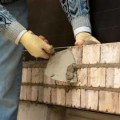
Masonry services encompass a wide range of construction techniques that utilize materials such as brick, stone, and concrete. These services are essential for both residential and commercial projects, providing structural integrity and aesthetic appeal. Whether you are looking to build a new patio, construct a retaining wall, or restore an old chimney, understanding the various types of masonry is crucial in making informed decisions about your project. There are several types of masonry, each with its unique characteristics and applications.
Brick masonry
is one of the most common forms, known for its durability and classic appearance.Stone masonry, on the other hand, offers a more natural look and can be used for everything from decorative features to load-bearing walls.
Concrete masonry
is often favored for its strength and versatility, making it ideal for foundations and large structures. Each type has its benefits, and selecting the right one depends on your specific needs and the environment in which it will be used. Hiring a qualified masonry contractor is essential to ensure that your project is executed correctly and efficiently. A skilled contractor not only brings expertise in the various types of masonry but also understands local building codes and regulations.This knowledge helps avoid costly mistakes and ensures that your masonry work stands the test of time. As you embark on your journey to enhance your property with masonry services, understanding these foundational elements will guide you in choosing the right contractor for your needs.
Identifying Your Masonry Needs
When embarking on a masonry project, the first step is to identify your specific masonry needs. This involves understanding the type of work required and the scope of the project. Masonry services can range from simple repairs to complex constructions, and recognizing your requirements will help you communicate effectively with potential contractors.Types of Masonry Projects
- Residential Masonry: This includes projects such as building or repairing brick walls, patios, walkways, and fireplaces.
Homeowners often seek masonry services for aesthetic enhancements or structural repairs.
- Commercial Masonry: Commercial projects may involve larger-scale constructions like office buildings, shopping centers, or industrial facilities. These projects often require adherence to stricter building codes and regulations.
- Restoration Work: This type of masonry service focuses on restoring historical buildings or structures, requiring specialized skills to maintain authenticity while ensuring structural integrity.
- Evaluate the Condition: Inspect existing structures for damage or wear. Look for cracks, loose bricks, or signs of moisture that may indicate a need for repair.
- Define Your Goals: Determine whether you want to enhance aesthetics, improve functionality, or address safety concerns. Clear goals will guide your project scope.
- Consider Your Budget: Establish a budget that reflects your project’s complexity.
Understanding financial constraints will help you prioritize essential work.
- Residential vs. Commercial Needs: Recognize that residential projects may focus more on design and personal preference, while commercial projects often emphasize durability and compliance with regulations.
Researching Potential Contractors
Finding the right masonry contractor is crucial for ensuring that your project is completed to a high standard. Here are some effective methods to help you research potential contractors:Utilize Online Resources
The internet is a valuable tool for finding masonry services.Start by searching for local contractors through platforms like:
- Google: A simple search for "masonry contractors near me" can yield a list of professionals in your area.
- Yelp: This site provides user-generated reviews and ratings, helping you gauge the quality of service.
- Angie's List: A trusted resource for finding verified contractors with customer reviews.
- HomeAdvisor: This platform matches you with local contractors based on your specific needs.
Seek Local Referrals
Word-of-mouth recommendations can be incredibly valuable. Ask friends, family, or neighbors if they have worked with any masonry contractors they would recommend. Personal experiences often provide insights that online reviews may not cover.Check Contractor Reviews
Once you have a list of potential contractors, take the time to read their reviews.Look for:
- Consistency: Are the positive reviews consistent across multiple platforms?
- Diversity of Projects: Have they handled projects similar to yours?
- Response to Feedback: How do they respond to negative reviews? This can indicate their level of professionalism.
Evaluating Contractor Qualifications
When hiring a masonry contractor, it is crucial to evaluate their qualifications to ensure you are making a sound investment in your project. Here are some key factors to consider:- Certifications: Look for contractors who hold relevant masonry certifications. These certifications often indicate that the contractor has undergone specific training and adheres to industry standards. Organizations such as the National Masonry Association or local trade schools may offer recognized programs that validate a contractor's expertise.
- Experience: Assess the contractor's experience in the masonry field.
A contractor with several years of hands-on experience is likely to have encountered a variety of challenges and developed effective solutions. Ask about their experience in masonry projects similar to yours, whether it be residential, commercial, or specialized work.
- Portfolio of Past Projects: Request examples of previous work. A reputable contractor should be able to provide a portfolio showcasing their completed projects. This not only demonstrates their skill level but also gives you insight into their style and quality of work.
- References and Reviews: Don’t hesitate to ask for references from past clients.
Speaking directly with previous customers can provide valuable information about the contractor’s reliability, workmanship, and professionalism. Additionally, check online reviews on platforms like Angie's List, Yelp, or Google Reviews.
Requesting and Comparing Quotes
When it comes to hiring a masonry contractor, requesting and comparing quotes is a crucial step in ensuring you receive quality masonry services at a fair price. Here’s how to effectively navigate this process.How to Request Quotes
Start by compiling a list of potential contractors. You can find them through online searches, local directories, or recommendations from friends and family.Once you have a shortlist, reach out to each contractor to request a quote. Here are some tips:
- Be specific: Provide detailed information about your project, including dimensions, materials, and any specific requirements.
- Ask for a site visit: A reputable contractor will often want to assess the site before providing an accurate quote.
- Request a written estimate: Ensure that the quote includes all costs associated with the project, such as labor, materials, and any potential additional fees.
Comparing Contractor Quotes
Once you have received quotes from multiple contractors, it’s time to compare them. Here are some factors to consider:- Cost: While it’s tempting to go with the lowest bid, consider the overall value. Sometimes higher quotes reflect better quality materials or more experienced labor.
- Scope of work: Ensure that each quote outlines the same scope of work.
This makes it easier to compare apples to apples.
- Timeline: Ask about the estimated timeline for completion. A contractor who can start sooner may be more desirable.
- Reputation: Research each contractor’s reputation through online reviews and testimonials. A slightly higher cost may be worth it for a contractor with excellent feedback.
Checking References and Reviews
When it comes to hiring a masonry contractor, checking references and reading reviews are crucial steps that can significantly influence your decision. These practices not only provide insight into the contractor's past performance but also help you gauge their reliability and quality of work.Why Check References?
- Verification of Experience: Speaking directly with previous clients allows you to confirm the contractor's experience and expertise in masonry services.
- Understanding Work Quality: References can provide firsthand accounts of the quality of work delivered, including attention to detail and adherence to timelines.
- Problem Resolution: Inquire about how the contractor handled any issues that arose during the project.
This can reveal their problem-solving skills and commitment to customer satisfaction.
The Importance of Reading Reviews
- Online Presence: Many contractors have online profiles where clients leave reviews. Platforms like Google, Yelp, and Angie's List can be valuable resources for assessing a contractor's reputation.
- Identifying Patterns: Look for recurring themes in reviews. Consistent praise or criticism can give you a clearer picture of what to expect.
- Client Testimonials: Pay attention to testimonials that highlight specific projects similar to yours. This can indicate whether the contractor is well-suited for your masonry needs.
It not only helps you make an informed decision but also sets the stage for a successful project outcome. By ensuring that your chosen contractor has a solid track record, you can proceed with confidence, knowing that your masonry work is in capable hands.
Understanding Contracts and Agreements
When hiring a masonry contractor, understanding the contracts and agreements involved is crucial to ensure a smooth working relationship and successful project completion. A well-drafted contract serves as a legal safeguard for both parties, outlining expectations, responsibilities, and deliverables.Key Elements to Include in a Masonry Contract:
- Scope of Work: Clearly define the masonry services to be provided, including specific tasks such as bricklaying, stonework, or repairs. This section should detail the materials to be used and any design specifications.
- Timeline: Establish a realistic timeline for project completion.
Include start and end dates, as well as milestones for different phases of the work.
- Payment Terms: Specify the total cost of the project and outline payment schedules. Indicate whether payments will be made in installments or upon completion of specific milestones.
- Permits and Licenses: Clarify who is responsible for obtaining necessary permits and licenses required for the masonry work. This ensures compliance with local regulations.
- Warranties: Include any warranties on workmanship or materials. This protects you in case of defects or issues that arise after project completion.
- Termination Clause: Define the conditions under which either party can terminate the contract.
This should include notice periods and any penalties for early termination.
Understanding Agreements with Contractors:
Before signing any contract, take the time to read through all terms carefully. If there are any unclear sections, don’t hesitate to ask your contractor for clarification. It’s also advisable to consult with a legal professional if you have concerns about specific clauses or if you’re unfamiliar with legal jargon.A clear and comprehensive contract not only protects your interests but also fosters trust between you and your masonry contractor. By ensuring that both parties have a mutual understanding of the project details, you can minimize misunderstandings and pave the way for a successful collaboration.
Preparing for the Project Start Date
As the project start date for your masonry services approaches, proper preparation is essential to ensure a smooth and efficient process.Here are some key steps to take in the days leading up to the commencement of work.
- Confirm the Project Timeline: Reach out to your masonry contractor to confirm the start date and discuss the overall timeline. Understanding how long the project will take helps you plan accordingly.
- Site Preparation: Ensure that the worksite is ready for the masonry team. This includes:
- Clearing the area of any debris, plants, or obstacles that may hinder access.
- Ensuring that there is adequate space for materials and equipment.
- Providing access to water and electricity if required for the project.
- Communicate with Neighbors: If your project may cause noise or disruption, it’s courteous to inform your neighbors about the upcoming work. This can help maintain good relationships and minimize complaints.
- Review Project Details: Go over the specifics of your masonry services with your contractor.
Confirm materials, designs, and any special requests you may have made. This ensures everyone is on the same page before work begins.
- Prepare for Weather Conditions: Depending on your location, consider potential weather impacts on your masonry project. Discuss with your contractor how they plan to handle adverse conditions such as rain or extreme temperatures.
Frequently Asked Questions About Hiring Masonry Contractors
When considering masonry services, potential clients often have several questions about the hiring process.Here are some of the most frequently asked questions:
- What should I look for in a masonry contractor? When hiring a masonry contractor, it’s essential to check their experience, qualifications, and portfolio of past work. Look for contractors who specialize in the type of masonry work you need, whether it’s brick, stone, or concrete.
- How do I verify a contractor's credentials? Always ask for proof of licensing and insurance. A reputable contractor should be willing to provide this information. You can also check online reviews and ratings on platforms like Yelp or Angie's List.
- What is the typical cost of masonry services? The cost can vary widely based on the project size, materials used, and labor involved.
It’s advisable to get multiple quotes from different contractors to compare prices and services offered.
- How long will my masonry project take? The timeline for a masonry project depends on its complexity and size. A simple repair may take a few days, while larger projects like building a wall or patio could take weeks. Always discuss timelines upfront with your contractor.
- What questions should I ask during the initial consultation? During your first meeting, inquire about the contractor's experience with similar projects, their approach to handling unexpected issues, and their warranty or guarantee policies.
Conclusion: Making an Informed Decision on Your Masonry Contractor
In conclusion, hiring the right masonry contractor is a critical step in ensuring the success of your masonry project. Throughout this article, we have explored the essential steps involved in the hiring process, emphasizing the importance of thorough research and careful consideration. First and foremost, it is vital to assess your specific needs and project requirements.Understanding the scope of your project will help you communicate effectively with potential contractors and ensure that they possess the necessary skills and experience. Next, obtaining multiple quotes allows you to compare pricing and services offered by different contractors. This not only helps you find a contractor that fits your budget but also gives you insight into the market rates for masonry services. Remember, the lowest bid may not always be the best choice; consider the contractor's reputation and past work as well. Additionally, checking references and reading reviews can provide valuable information about a contractor's reliability and quality of work.
Don't hesitate to ask for examples of previous projects to gauge their expertise in handling similar tasks. Finally, ensure that any contractor you consider is properly licensed and insured. This protects you from potential liabilities and ensures that the contractor adheres to industry standards. By following these guidelines, you can make an informed decision when hiring a masonry contractor. Taking the time to evaluate your options will ultimately lead to a successful project that meets your expectations and enhances the value of your property.