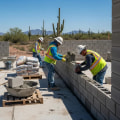
Cracks in brick, block, stone, or mortar can appear for many reasons, including temperature changes, minor settling, moisture exposure, or normal aging. However, when the same cracks continue to return after being patched or repaired, they may be signaling a deeper structural issue. Recurring masonry cracks can indicate that the materials are still being placed under stress by movement elsewhere in the building. Because masonry is relatively rigid, even small shifts in the foundation may eventually show up as visible cracking along exterior walls, chimneys, or interior masonry surfaces.
Understanding the Connection to Foundation Movement
The foundation supports the entire structure above it, including walls and masonry assemblies. If one section of the foundation settles more than another, the building can experience uneven movement. This may cause cracks to form in predictable patterns, such as stair-step cracks along mortar joints, diagonal cracks near windows or doors, or separation between masonry walls and adjacent materials. When these patterns repeatedly reappear, professionals such as Bats Foundation Repair may be able to evaluate whether foundation settlement or structural movement is contributing to the damage rather than the issue being limited to the masonry itself.
Watching for Stair-Step Crack Patterns
Stair-step cracks are among the more recognizable masonry patterns associated with movement. These cracks often follow mortar joints in a diagonal path through brick or block walls. While not every stair-step crack means serious foundation damage, widening or recurring cracks can suggest that different sections of the structure are moving at different rates. Homeowners should pay particular attention when these cracks appear alongside sloping floors, sticking doors, or gaps around windows.
Checking Cracks Around Openings
Windows and doors create natural interruptions in a masonry wall, making these areas more vulnerable to visible stress. Diagonal cracking can sometimes form from the corners of openings when the surrounding structure shifts. Doors and windows may also begin to stick or become difficult to close because their frames are no longer perfectly square. If masonry repairs are repeatedly needed around the same openings, it may be useful to investigate whether the problem is being caused by ongoing structural movement.
Considering Soil and Moisture Conditions
Foundation movement is often influenced by what is happening in the soil beneath and around a building. Expansive soils may swell when wet and shrink during dry periods, placing changing pressure on the foundation. Poor drainage, leaking plumbing, inadequate gutters, or prolonged drought can also affect soil conditions. If these factors are not addressed, masonry cracks may continue returning even after cosmetic repairs are completed. Understanding moisture patterns around the property can therefore be an important part of diagnosing recurring cracking.
Avoiding Repeated Cosmetic Repairs
Simply filling a masonry crack may improve appearance temporarily, but it does not necessarily resolve the reason the crack formed. If the foundation continues moving, repaired mortar or brick may crack again. Repeated patching can also make it more difficult to monitor whether the crack is widening or changing. Before investing in extensive masonry restoration, homeowners may benefit from identifying whether the underlying structure is stable.
Looking at the Entire Structure
Recurring masonry cracks should be considered alongside other changes throughout the property. Uneven floors, wall separation, sticking doors, cracked drywall, or gaps around trim may all provide additional clues. A professional evaluation can help determine whether the masonry damage is isolated or part of a broader structural concern.
Addressing the Cause for Longer-Lasting Results
Long-term masonry repairs are more likely to succeed when the source of movement is identified first. If foundation settlement is contributing to recurring cracks, stabilizing the structure before completing final masonry repairs may reduce the risk of the same damage returning. By looking beyond the surface and evaluating the foundation, soil conditions, drainage, and surrounding structural symptoms, property owners can make more informed decisions and pursue repairs that address both the visible cracks and their underlying cause.