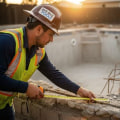
Masonry projects are a cornerstone of construction, offering both aesthetic appeal and structural integrity. Whether you are considering a new brick patio, a stone wall, or a complete building facade, understanding the masonry services available to you is crucial. These projects can vary significantly in scope and complexity, which directly impacts the masonry project timeline. Knowing how long it typically takes to complete such projects can help you plan effectively and set realistic expectations. The duration of a masonry project is influenced by several factors, including the type of materials used, the design intricacies, and the overall size of the project.
For instance, simple brickwork may be completed in a matter of days, while more elaborate stone structures could take weeks or even months. Additionally, external factors such as weather conditions and site accessibility can further affect timelines. Understanding these variables is essential for anyone looking to engage in masonry work. As we delve deeper into this topic, we will explore the various stages of masonry projects and provide insights into how long each phase typically takes. This knowledge will empower you to make informed decisions when hiring masonry services and help you navigate the complexities of your own masonry endeavors.
Factors Influencing the Duration of Masonry Projects
When planning a masonry project, understanding the factors influencing the duration is essential for setting realistic timelines and expectations.Several key elements can significantly affect how long a masonry project will take to complete.
- Project Size: The overall size of the project is one of the most significant factors. Larger projects, such as constructing a new building or extensive landscaping, will naturally require more time than smaller tasks like repairing a brick wall or installing a patio.
- Complexity: The complexity of the design also plays a crucial role. Intricate designs with detailed patterns or custom features will take longer to execute than straightforward, simple structures. Projects that require specialized techniques or materials may also extend the timeline.
- Weather Conditions: Weather can be unpredictable and has a direct impact on masonry work.
Rain, snow, or extreme temperatures can halt progress and delay timelines. Masonry work often requires dry conditions for optimal adhesion and curing of materials.
- Availability of Materials: The availability of necessary materials can also influence project duration. If specific bricks, stones, or mortar are not readily available, it can lead to delays in the construction schedule. Planning ahead and ensuring that all materials are on-site before starting can mitigate this issue.
- Labor Force: The availability and experience of the labor force can affect how quickly a project progresses.
Skilled masons may work more efficiently than less experienced workers, impacting the overall timeline.
Typical Timeframes for Different Types of Masonry Services
When considering masonry services, understanding the typical timeframes for various types of projects is crucial for planning and budgeting. The duration of a masonry project can vary significantly based on the type of work being performed, the complexity of the design, and the materials used.Bricklaying Time
Bricklaying is one of the most common masonry services. On average, a skilled mason can lay about 500 to 1,000 bricks per day, depending on the intricacy of the pattern and the weather conditions.For a standard single-story home, you might expect the bricklaying phase to take anywhere from one to three weeks. However, larger or more complex structures may extend this timeframe considerably.
Stonework Duration
Stonework is another popular masonry service that often requires more time due to the weight and handling of natural stones. The installation of stone veneer can take approximately two to four weeks, depending on the size of the area being covered and the type of stone selected. For full stone walls or intricate designs, this timeframe can increase to four to six weeks.Concrete Work Timelines
Concrete masonry services, such as pouring foundations or creating decorative concrete features, typically have a faster turnaround.A standard concrete slab can be poured and finished in a single day; however, curing time must be considered. Generally, you should allow at least a week for proper curing before any additional work is done on top of it. In summary, while each masonry project is unique, having a general understanding of these timeframes can help you set realistic expectations. Always consult with your masonry contractor for a more precise timeline tailored to your specific project needs.
The Importance of Planning and Preparation in Masonry Projects
When embarking on a masonry project, planning and preparation are crucial steps that can significantly influence the overall timeline and success of the endeavor. A well-structured plan not only streamlines the construction process but also minimizes potential delays and unexpected costs.Site preparation
is one of the first and most important phases in any masonry project.This involves clearing the area, ensuring proper drainage, and establishing a solid foundation. Neglecting this step can lead to complications later on, such as structural issues or water damage, which can extend the project timeline considerably.Another critical aspect is obtaining design approvals. Before any physical work begins, it’s essential to have all necessary permits and approvals from local authorities. This process can vary in duration depending on the complexity of the project and local regulations.
Engaging with a knowledgeable contractor who understands these requirements can expedite this phase.
Scheduling labor
effectively is also vital for timely project completion. Masonry work often requires skilled laborers who may not be readily available. By planning ahead and securing your workforce in advance, you can avoid delays that arise from waiting for qualified professionals to become available.In summary, investing time in thorough project management, including site preparation, securing design approvals, and scheduling labor, can lead to a smoother masonry project. This proactive approach not only helps in adhering to timelines but also enhances the quality of the final outcome.Common Delays in Masonry Projects and How to Avoid Them
When undertaking a masonry project, understanding the potential for delays is crucial for effective planning and execution.Several factors can contribute to these delays, but with proper foresight, many can be mitigated.
Weather Conditions
One of the most common issues in masonry projects is adverse weather. Rain, snow, or extreme temperatures can halt work and affect the curing process of materials. To avoid these delays:- Plan Ahead: Schedule work during seasons known for stable weather.
- Use Weather-Resistant Materials: Consider materials that can withstand various weather conditions.
- Monitor Forecasts: Keep an eye on weather reports to adjust schedules accordingly.
Material Availability
Delays can also arise from the unavailability of essential materials. This can lead to project standstills and increased costs.To prevent this:
- Order in Advance: Ensure all materials are ordered well before they are needed on-site.
- Choose Reliable Suppliers: Work with suppliers who have a proven track record of timely deliveries.
Lack of Skilled Labor
A shortage of skilled labor can significantly impact the timeline of masonry work. To address this issue:- Hire Experienced Professionals: Invest in hiring qualified masonry services to ensure efficiency.
- Provide Training: If using in-house labor, consider training programs to enhance skills.
Frequently Asked Questions About Masonry Project Timelines
When considering masonry services, many clients have questions about the timeline for completing their projects. Here are some of the most frequently asked questions regarding masonry project durations:How long does a typical masonry project take?
The duration of a masonry project can vary significantly based on several factors, including the type of work being done, the size of the project, and weather conditions.On average, small projects like brick repairs or minor installations may take a few days to complete, while larger projects such as building a new wall or a patio can take several weeks.
What factors influence the timeline of masonry services?
- Project Size: Larger projects naturally require more time due to the increased amount of materials and labor involved.
- Type of Masonry: Different types of masonry work (e.g., bricklaying, stonework, or concrete) have varying complexities that can affect timelines.
- Weather Conditions: Adverse weather can delay progress, especially in outdoor projects where rain or extreme temperatures can hinder work.
- Permits and Approvals: Some masonry projects may require permits, which can add time to the overall schedule.
Can I expedite my masonry project?
While it’s essential to allow adequate time for quality workmanship, there are ways to potentially expedite your masonry services. Here are some tips:- Plan Ahead: Discuss your timeline with your contractor early in the planning process to set realistic expectations.
- Choose Off-Peak Times: Scheduling your project during less busy seasons for contractors may lead to quicker completion.
- Be Prepared: Ensure that your site is ready for work to begin, which can help avoid delays once the project starts.
Conclusion: Setting Realistic Expectations for Your Masonry Project
In conclusion, understanding the timeline for your masonry project is crucial for effective planning and execution. As we have discussed, several factors influence the duration of masonry services, including the complexity of the design, the materials used, and the weather conditions.By setting realistic expectations, you can better prepare for the various stages of your project.
Communication
with your masonry contractor is key. Regular updates and discussions about progress can help you stay informed and adjust your plans as necessary. It’s also important to consider potential delays that may arise due to unforeseen circumstances, such as supply chain issues or adverse weather.Here are some final tips to keep in mind:- Plan Ahead: Start your project with a clear timeline in mind, but remain flexible to accommodate changes.
- Choose Experienced Professionals: Hiring skilled masonry services can significantly impact the efficiency and speed of your project.
- Understand Your Design: Complex designs may require more time; ensure you are aware of how your choices affect the overall timeline.
- Stay Engaged: Regularly check in with your contractor to monitor progress and address any concerns promptly.