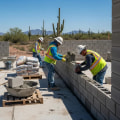
Masonry structures are a testament to the durability and aesthetic appeal of construction techniques that have stood the test of time. These structures, which include everything from brick buildings to stone walls, are created by assembling individual units—such as bricks, stones, or concrete blocks—using a binding agent like mortar. The result is not only a robust framework but also a visually striking design that can enhance the character of any property. There are several types of masonry, each with its unique characteristics and applications.
Brick masonry
, for instance, is known for its strength and thermal efficiency, making it a popular choice for residential homes.Stone masonry, on the other hand, offers a timeless elegance and is often used in historical buildings and monuments. Additionally, concrete masonry provides versatility and cost-effectiveness, making it suitable for both commercial and residential projects. Understanding these types is crucial for anyone looking to maintain or invest in masonry services. The materials used in masonry play a significant role in determining the longevity and maintenance needs of these structures. High-quality materials not only enhance the structural integrity but also reduce the frequency of repairs required over time.
Regular maintenance is essential to preserve the beauty and functionality of masonry structures, as neglect can lead to issues such as water infiltration, cracking, and deterioration. By grasping the fundamentals of masonry types and materials, property owners can better appreciate the importance of ongoing maintenance and the value of professional masonry services.
Importance of Regular Maintenance
Regular maintenance of masonry structures is crucial for ensuring their longevity and structural integrity.Masonry services
play a vital role in this upkeep, providing essential care that can prevent minor issues from escalating into major problems.One of the primary benefits of regular masonry maintenance is the enhancement of safety. Over time, factors such as weather conditions, moisture infiltration, and natural wear can compromise the stability of masonry walls and foundations.By engaging professional masonry services, property owners can identify and address potential hazards before they lead to accidents or costly repairs.In addition to safety, regular maintenance significantly contributes to the aesthetic appeal of masonry structures. Cracks, discoloration, and efflorescence can detract from the visual charm of brick or stonework. Routine inspections and timely repairs not only preserve the original beauty of the structure but can also increase property value. A well-maintained masonry facade creates a positive impression, whether for residential homes or commercial buildings.Furthermore, consistent upkeep helps in extending the lifespan of masonry materials.
For instance, sealing joints and applying protective coatings can prevent water damage and freeze-thaw cycles that often lead to deterioration. This proactive approach reduces the need for extensive renovations, saving both time and money in the long run.In summary, the importance of regular maintenance for masonry structures cannot be overstated. The benefits include:
- Enhanced safety by preventing structural failures.
- Aesthetic preservation that maintains property value.
- Extended lifespan of materials through proactive care.
- Cost savings by avoiding major repairs.
Common Issues in Masonry Structures
Masonry structures, while known for their durability, can encounter a variety of issues over time. Recognizing these common masonry problems is crucial for maintaining the integrity and longevity of your building.Cracks
One of the most prevalent signs of masonry damage is the appearance of cracks.These can occur due to several factors, including:
- Settlement: As the ground beneath a structure shifts, it can lead to uneven settling, causing cracks in the masonry.
- Temperature fluctuations: Expansion and contraction from temperature changes can stress masonry materials, leading to cracks.
- Moisture infiltration: Water can seep into cracks, freeze, and expand, worsening the damage.
Water Damage
Water damage is another significant concern for masonry structures. It can manifest in various ways:- Spalling: This occurs when water penetrates the masonry and causes the surface to flake or chip away.
- Mold and mildew growth: Excess moisture can lead to mold, which not only damages the structure but also poses health risks.
- Efflorescence: A white, powdery substance that appears on the surface of bricks or stones, efflorescence is caused by water-soluble salts that leach out as water evaporates.
Signs of Masonry Damage
Being vigilant about signs of damage can help you address issues before they escalate. Look for:- Cracked mortar joints
- Loose bricks or stones
- Uneven surfaces or bulging walls
- Water stains or discoloration
Step-by-Step Maintenance Process
Maintaining a masonry structure is essential for its longevity and aesthetic appeal.Here’s a detailed step-by-step maintenance process to ensure your masonry remains in top condition.
- Inspection: Begin with a thorough inspection of the masonry. Look for signs of damage such as cracks, loose bricks, or crumbling mortar. Pay special attention to areas that are exposed to moisture, as these are more prone to deterioration.
- Cleaning: Regular cleaning is vital for masonry care. Use a soft brush and mild detergent to remove dirt and grime.
For tougher stains, consider using a pressure washer on a low setting, but be cautious not to damage the surface.
- Repairing Cracks: If you find any cracks during your inspection, it’s important to address them promptly. Use a suitable masonry repair compound to fill in the cracks. Ensure the area is clean and dry before applying the compound for optimal adhesion.
- Repointing Mortar: Over time, mortar joints can wear down. Repointing involves removing damaged mortar and replacing it with fresh material.
This not only enhances the appearance but also strengthens the structure.
- Sealing: After repairs, consider applying a sealant to protect your masonry from moisture infiltration. Choose a breathable sealant that allows moisture to escape while preventing water from entering.
- Preventative Measures: To prevent future issues, ensure proper drainage around your masonry structure. Keep gutters clean and direct downspouts away from the foundation. Additionally, consider landscaping that promotes water runoff away from the walls.
Regular maintenance not only prevents costly repairs but also enhances the overall value of your property.
Tools and Materials Needed for Maintenance
Maintaining a masonry structure requires a variety of tools and materials to ensure the longevity and integrity of the work. Below is a comprehensive list of essential items that every masonry maintenance project should include.Essential Tools for Masonry Maintenance
- Trowel: A fundamental tool for applying mortar and making repairs. A pointing trowel is particularly useful for detailed work.
- Masonry Hammer: Ideal for breaking and shaping bricks or stones, this tool is essential for any repair job.
- Chisel: Used in conjunction with a hammer, chisels help to remove damaged mortar or brick.
- Joint Raker: This tool is specifically designed to remove old mortar from joints, making way for new material.
- Level: Ensures that your masonry work is even and properly aligned, which is crucial for both aesthetics and structural integrity.
- Brushes: Wire brushes are excellent for cleaning surfaces before applying new mortar, while stiff-bristled brushes can help remove debris.
Materials for Masonry Upkeep
- Mortar: The primary material used in masonry, it’s essential to choose the right type based on the specific needs of your structure.
- Sealants: These protect masonry from moisture damage and should be applied regularly to maintain the integrity of the structure.
- Brick or Stone Replacement: Having matching bricks or stones on hand can expedite repairs when damage occurs.
When to Hire Professional Masonry Services
When it comes to maintaining a masonry structure, knowing when to hire professional masonry services can save you time, money, and potential headaches.While some minor repairs can be handled by homeowners, there are specific scenarios where the expertise of a mason is invaluable.
Complex Repairs
If your masonry structure has sustained significant damage, such as large cracks in the walls or a failing foundation, it’s crucial to consult with professional masonry services. These experts can assess the extent of the damage and recommend appropriate solutions that ensure the integrity of your structure.Restoration Projects
For older buildings or historical structures, restoration requires specialized knowledge and skills. Hiring a mason who understands the nuances of traditional materials and techniques can help preserve the building's character while ensuring compliance with local regulations.Safety Concerns
Any signs of structural instability, such as leaning walls or crumbling bricks, should prompt an immediate call to a professional. Attempting to address these issues without proper training can lead to further damage or even personal injury.Time Efficiency
Professional masons not only bring expertise but also efficiency.They have access to the right tools and materials, allowing them to complete projects more quickly than an untrained individual. This is particularly beneficial for larger jobs that require significant labor and coordination.
Benefits of Hiring Masonry Experts
- Quality Workmanship: Professionals ensure that repairs are done correctly the first time, reducing the need for future fixes.
- Cost-Effectiveness: While hiring a mason may seem like an added expense, their expertise can prevent costly mistakes down the line.
- Warranty and Insurance: Many masonry services offer warranties on their work, providing peace of mind that your investment is protected.
FAQs About Masonry Maintenance
Maintaining a masonry structure is essential for its longevity and aesthetic appeal. Here are some frequently asked questions regarding masonry maintenance that can help clarify common concerns:- What are the signs that my masonry needs maintenance?
Look for cracks in the mortar, discoloration of bricks, or signs of water damage.If you notice any of these issues, it may be time to consult masonry services.
- How often should I perform maintenance on my masonry?
Regular inspections are recommended at least once a year. However, if your structure is exposed to harsh weather conditions, more frequent checks may be necessary. - Can I perform masonry maintenance myself?
While minor repairs like cleaning and sealing can be done by homeowners, it’s advisable to hire professionals for significant repairs to ensure safety and quality. - What types of masonry services are available?
Masonry services can include brick repair, repointing mortar joints, waterproofing, and cleaning. Each service addresses specific issues to maintain the integrity of your structure. - How do I choose a reliable masonry service?
Look for licensed and insured contractors with good reviews. Ask for references and check their previous work to ensure they have experience with similar projects.
Regular maintenance not only enhances the appearance of your property but also prevents costly repairs in the future.
Conclusion: Key Takeaways on Masonry Maintenance
In conclusion, maintaining a masonry structure is essential for ensuring its longevity and structural integrity. Regular inspections and timely repairs can prevent minor issues from escalating into major problems, which can be costly and time-consuming to fix. Here are the key takeaways regarding masonry maintenance:- Regular Inspections: Schedule routine inspections to identify any signs of wear, such as cracks, efflorescence, or loose bricks. Early detection is crucial.
- Professional Masonry Services: Engaging masonry services ensures that repairs are conducted by skilled professionals who understand the nuances of different materials and techniques.
- Proper Cleaning: Regular cleaning helps maintain the aesthetic appeal of masonry structures.
Use appropriate cleaning methods to avoid damaging the surface.
- Weatherproofing: Applying sealants and weatherproofing treatments can protect masonry from moisture damage, which is one of the leading causes of deterioration.
- Repointing: Over time, mortar joints can wear down. Repointing is a critical maintenance task that involves replacing old mortar to restore strength and prevent water infiltration.