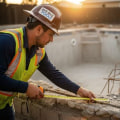
Masonry services encompass a wide range of construction techniques that utilize materials such as brick, stone, and concrete. These services are essential for creating durable structures that not only stand the test of time but also enhance the aesthetic appeal of any property. From building walls and patios to constructing fireplaces and retaining walls, masonry plays a crucial role in both residential and commercial projects. Understanding the various types of masonry—including traditional brickwork, stone masonry, and concrete block construction—can help homeowners and builders alike make informed decisions about their construction needs. The benefits of masonry are numerous.
Not only does it provide strength and stability, but it also offers excellent insulation properties, which can lead to energy savings over time. Additionally, masonry is low-maintenance and resistant to fire, pests, and weather-related damage. This makes it an ideal choice for various applications, whether you are looking to enhance your home’s exterior or create functional outdoor spaces. As we delve deeper into the topic, it becomes clear that masonry services can be seamlessly integrated with other construction projects. Whether you are renovating an existing structure or embarking on new construction, understanding how masonry fits into the larger picture can help streamline the process and ensure a cohesive design.
By collaborating with skilled masonry professionals, you can achieve a harmonious blend of functionality and style in your construction endeavors.
The Role of Masonry in Construction Projects
Masonry services play a crucial role in the construction industry, serving both structural and aesthetic purposes. The use of materials such as brick, stone, and concrete blocks not only provides strength and durability to buildings but also enhances their visual appeal.Structural Integrity
: One of the primary functions of masonry is to ensure the structural integrity of a project. Masonry walls can bear significant loads, making them ideal for both residential and commercial buildings. The compressive strength of materials like brick and stone allows them to withstand various environmental stresses, ensuring longevity and safety.Aesthetic Value
: Beyond functionality, masonry adds a unique aesthetic value to construction projects.The variety of materials available allows for diverse design options, from traditional brick facades to modern stone cladding. This versatility enables architects and builders to create visually striking structures that can complement their surroundings.
Energy Efficiency
: Incorporating masonry into construction can also contribute to energy efficiency. Masonry materials have excellent thermal mass properties, which help regulate indoor temperatures by absorbing heat during the day and releasing it at night. This can lead to reduced energy costs for heating and cooling.Integration with Other Services
: Masonry services can be seamlessly integrated with other construction projects.For instance, when building a new home, masonry can be combined with framing, roofing, and electrical work to create a cohesive structure. This collaboration ensures that all elements work together harmoniously, enhancing both functionality and design.In summary, the importance of masonry in construction cannot be overstated. Its contributions to structural integrity, aesthetic appeal, energy efficiency, and compatibility with other construction services make it an essential component of any building project.
Types of Construction Projects That Can Incorporate Masonry Services
Masonry services play a crucial role in various types of construction projects, enhancing both functionality and aesthetics. Below are some key areas where masonry can be effectively integrated:- Residential Construction: In residential projects, masonry services are often utilized for building foundations, walls, and outdoor features such as patios and walkways.
Brick, stone, and concrete block are popular materials that provide durability and visual appeal. Homeowners may choose masonry for its energy efficiency and low maintenance requirements.
- Commercial Construction: For commercial buildings, masonry services are essential in creating structural integrity and design versatility. From office buildings to retail spaces, masonry can be used for facades, load-bearing walls, and decorative elements. The use of masonry not only enhances the building's appearance but also contributes to fire resistance and sound insulation.
- Industrial Projects: In industrial settings, masonry is often employed for constructing warehouses, manufacturing facilities, and storage units.
The robust nature of masonry materials makes them ideal for withstanding heavy loads and harsh environmental conditions. Additionally, masonry can help in creating secure structures that meet safety regulations.
Benefits of Combining Masonry Services with Other Construction Work
Integrating masonry services with other construction projects can yield numerous benefits that enhance both the efficiency and quality of the overall work. Here are some key advantages:- Cost Efficiency: By combining masonry services with other construction efforts, you can often reduce costs.
This is achieved through bulk purchasing of materials and minimizing labor costs by having a single team manage multiple aspects of the project.
- Time Savings: Coordinating masonry work with other construction tasks can significantly shorten project timelines. When different trades work together, it allows for better scheduling and reduces downtime, ensuring that each phase of the project flows smoothly into the next.
- Enhanced Design Flexibility: Masonry offers a wide range of design options, from traditional brickwork to modern stone facades. When integrated with other construction elements, such as framing or roofing, it allows for creative architectural solutions that can elevate the aesthetic appeal of the entire project.
- Improved Quality Control: Managing masonry services alongside other construction activities enables better oversight and quality assurance. A unified approach ensures that all components meet the same standards, leading to a more cohesive final product.
This collaborative approach is essential for achieving high-quality results in any construction endeavor.
Challenges and Considerations When Integrating Masonry Services
Integrating masonry services with other construction projects can present a variety of challenges and considerations that both contractors and homeowners should be aware of. Understanding these factors is crucial for ensuring a smooth workflow and achieving the desired results.Challenges in Masonry Integration
- Scheduling Conflicts: Masonry work often requires specific timing, especially when it comes to curing and drying. If not properly coordinated with other trades, such as plumbing or electrical work, delays can occur.
- Material Compatibility: Different construction materials may not always work well together. For instance, the weight of masonry can affect the structural integrity of lighter materials, necessitating careful planning.
- Site Conditions: The physical site conditions can pose challenges.
Uneven ground or limited access can complicate the integration of masonry services with other construction activities.
Considerations for Construction Projects
- Design Coordination: It’s essential to have a cohesive design plan that incorporates masonry elements seamlessly with other construction features. This requires collaboration among architects, engineers, and masonry contractors.
- Budget Constraints: Masonry services can be more expensive than other types of construction work. Homeowners should factor in these costs when planning their overall budget for the project.
- Regulatory Compliance: Local building codes may impose specific requirements on masonry work, especially when integrated with other structures. Ensuring compliance is vital to avoid costly fines or rework.
For example, certain types of masonry may not be suitable for all climates or environments. Understanding these limitations can help in making informed decisions about integrating masonry into broader construction projects.
Best Practices for Coordinating Masonry Services with Other Trades
Coordinating masonry services with other trades in a construction project is essential for achieving a successful outcome. Effective communication and planning can significantly enhance the integration of masonry work with other construction activities. Here are some best practices to consider:- Early Collaboration: Engage masonry contractors during the initial planning stages of the project.
This allows for better alignment of timelines and expectations with other trades, such as electrical and plumbing.
- Clear Communication: Establish open lines of communication among all trades involved. Regular meetings can help address any potential conflicts or scheduling issues that may arise during the project.
- Detailed Scheduling: Create a comprehensive schedule that outlines when masonry work will take place in relation to other trades. This helps prevent delays and ensures that each phase of construction flows smoothly into the next.
- Site Coordination: Ensure that all teams are aware of site conditions and access points. This is particularly important for masonry, which may require specific equipment and space for material delivery and installation.
- Quality Control: Implement quality control measures that involve all trades.
For instance, masonry work should be inspected before other trades proceed with their tasks to avoid rework.
Case Studies: Successful Integration of Masonry Services in Construction Projects
Integrating masonry services into construction projects can significantly enhance both aesthetic appeal and structural integrity. Here are a few case studies that exemplify successful integration:1.Urban Mixed-Use Development
In a recent urban mixed-use development in Chicago, masonry services played a crucial role in the project’s success. The developers opted for brick facades to maintain the historical character of the neighborhood while providing modern amenities.The masonry team collaborated closely with architects to ensure that the brickwork complemented the overall design, resulting in a visually stunning structure that attracted both residents and businesses.
2.Residential Home Renovation
A family in San Diego undertook a major renovation of their home, which included adding a new outdoor living space. The integration of stone masonry for the patio and fireplace not only enhanced the outdoor aesthetics but also improved functionality. By coordinating with the general contractor, the masonry team was able to complete their work ahead of schedule, allowing other trades to proceed without delays.3.Educational Facility Expansion
An educational institution in New York City expanded its campus by adding a new science building. The project required extensive use of concrete masonry units (CMUs) for durability and insulation.The masonry services were integrated early in the planning phase, allowing for seamless coordination with electrical and plumbing installations, which ultimately led to a timely completion of the project.These examples illustrate how masonry services can be effectively integrated into various construction projects, enhancing both functionality and design while ensuring that timelines and budgets are adhered to. By collaborating closely with other trades and stakeholders, masonry professionals can contribute significantly to the overall success of construction endeavors.
FAQs About Masonry Services and Their Integration with Other Projects
When considering masonry services, many homeowners and contractors have questions about how these services can be integrated with other construction projects. Here are some frequently asked questions that can help clarify common concerns:Can masonry services be performed alongside other construction trades?
Yes, masonry services can be effectively integrated with various other construction projects. For instance, masonry work such as bricklaying or stone installation can occur simultaneously with framing, roofing, or electrical work.This integration often leads to improved project timelines and efficiency.
What are the benefits of integrating masonry with other construction projects?
- Streamlined Workflow: Coordinating masonry with other trades can minimize downtime and ensure that all aspects of the project progress smoothly.
- Cost Efficiency: By scheduling masonry work in conjunction with other tasks, you can reduce labor costs and avoid potential delays.
- Enhanced Aesthetics: Integrating masonry elements like brick facades or stone accents during the initial phases of construction allows for a cohesive design from the start.
What should I consider when planning masonry work with other trades?
When planning for masonry services, consider the following:- Timing: Ensure that the schedule for masonry work aligns with other trades to avoid conflicts.
- Communication: Maintain open lines of communication between all contractors involved to address any issues that may arise.
- Site Preparation: Proper site preparation is crucial; ensure that the area is ready for masonry work before other trades begin their tasks.