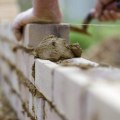
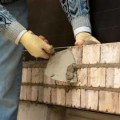
Masonry services encompass a wide range of construction techniques that utilize brick, stone, and concrete to create durable and aesthetically pleasing structures. At its core, masonry is defined as the art of building with these materials, which are known for their strength and longevity. This craft has been a fundamental aspect of construction for centuries, providing both functional and decorative elements to buildings and landscapes. There are several types of masonry work that fall under the umbrella of masonry services.
Bricklaying
is one of the most common forms, where bricks are meticulously laid in patterns to form walls, arches, and other structures.Stonework, on the other hand, involves the use of natural stones, which can be shaped and arranged to create stunning facades or outdoor features. Additionally, concrete masonry includes the use of concrete blocks or poured concrete to construct robust structures that can withstand various environmental conditions. Understanding the scope of masonry services is essential for homeowners and builders alike. Whether you are looking to enhance your property with a new patio, build a sturdy retaining wall, or create an elegant stone pathway, knowing what masonry entails will help you make informed decisions about your construction projects. As we delve deeper into this topic, we will explore how these services can intersect with landscaping and hardscaping, further expanding the possibilities for your outdoor spaces.
The Relationship Between Masonry and Landscaping
When considering masonry services, it's essential to recognize their significant role in enhancing landscaping projects.Masonry elements such as stone walls, brick pathways, and concrete patios not only provide structural integrity but also add aesthetic appeal to outdoor spaces.
Masonry in landscaping
serves multiple purposes. For instance, a well-constructed stone wall can act as a retaining structure, preventing soil erosion while simultaneously creating a visually appealing boundary. Similarly, pathways made from pavers or bricks guide visitors through gardens and yards, offering both functionality and beauty.Moreover, incorporating masonry into landscaping designs can elevate the overall ambiance of a property. Here are some ways masonry services can complement landscaping:- Patios: A masonry patio provides a durable surface for outdoor gatherings, enhancing the usability of your yard.
- Walkways: Well-designed masonry walkways can lead guests through your garden, showcasing plants and features along the way.
- Retaining Walls: These structures not only serve practical purposes but can also be designed to blend seamlessly with the surrounding landscape.
- Fire Pits: A masonry fire pit can become a focal point in your outdoor space, perfect for entertaining or relaxing evenings.
By combining these two elements, homeowners can create spaces that are both beautiful and practical, enhancing their property's value and enjoyment.
Hardscaping: A Key Component of Masonry Services
When discussing masonry services, it is essential to understand the role of hardscaping. Hardscaping refers to the non-plant elements of landscaping, which include structures made from materials such as stone, brick, concrete, and wood. These elements are crucial in creating functional outdoor spaces that complement the natural environment.Masonry hardscaping
specifically involves the use of masonry techniques to construct durable and aesthetically pleasing features. Common examples include patios, walkways, retaining walls, and outdoor kitchens.These structures not only enhance the visual appeal of a property but also provide practical benefits such as improved drainage and increased usable space.One of the primary distinctions between hardscaping and landscaping lies in the materials used. While landscaping typically focuses on living elements like plants, trees, and shrubs, hardscaping utilizes inanimate materials. This difference is significant because it allows for a variety of design options that can withstand weather conditions and require less maintenance over time.
- Durability: Hardscaping features are built to last, often requiring minimal upkeep compared to softscaping.
- Functionality: Elements like patios and walkways provide essential pathways and gathering spaces.
- Aesthetic Appeal: Well-designed hardscaping can enhance the overall look of a property, creating a cohesive outdoor environment.
Common Masonry Projects Involving Landscaping and Hardscaping
Masonry services play a crucial role in enhancing both landscaping and hardscaping projects, providing durability and aesthetic appeal.Here are some common masonry projects that beautifully integrate with outdoor designs:
- Patios: Masonry patios made from brick, stone, or concrete pavers create inviting outdoor spaces for relaxation and entertainment. These surfaces can be designed in various patterns and colors to complement the surrounding landscape.
- Walkways: A well-constructed masonry walkway not only guides visitors through your garden but also adds a touch of elegance. Options include flagstone paths, brick walkways, or even decorative concrete.
- Retaining Walls: These structures are essential for managing soil erosion and creating tiered landscapes. Masonry retaining walls can be built using natural stone or concrete blocks, providing both functionality and visual interest.
- Fire Pits: A masonry fire pit serves as a focal point in any outdoor space.
Constructed from stone or brick, it offers a cozy gathering spot while enhancing the overall landscape design.
- Garden Edging: Using masonry for garden borders not only defines spaces but also adds texture and structure to flower beds. Brick or stone edging can help keep mulch in place and prevent grass from encroaching.
FAQs About Masonry Services and Their Scope
When considering masonry services, many homeowners often wonder about the extent of these services, particularly in relation to landscaping and hardscaping. Here are some frequently asked questions that can help clarify these aspects:- What exactly do masonry services include?
Masonry services typically encompass the construction and repair of structures made from brick, stone, concrete, and other similar materials.This can include walls, patios, walkways, and fireplaces. While masonry can complement landscaping and hardscaping, it is primarily focused on the structural elements.
- Are landscaping and hardscaping part of masonry services?
While landscaping involves the design and maintenance of gardens and green spaces, and hardscaping refers to the non-plant elements like patios and pathways, masonry services can play a role in both. For instance, a masonry contractor may build stone walls or brick patios that enhance a landscape design. - Can I hire a masonry service for my landscaping project?
Yes, if your landscaping project requires structural elements such as retaining walls or decorative stone features, hiring a masonry service can be beneficial. They can provide the expertise needed to ensure these features are both functional and aesthetically pleasing. - How do I choose between landscaping and hardscaping?
The choice between landscaping and hardscaping often depends on your specific needs.If you want to create a vibrant garden space, focus on landscaping. However, if you need durable surfaces for outdoor activities or want to define spaces in your yard, hardscaping is essential.
Choosing the Right Masonry Service for Your Project
When it comes to selecting the right masonry services for your project, understanding your specific needs is crucial. Here are some essential tips to help you make an informed decision:- Define Your Project Scope: Before reaching out to contractors, clearly outline what you need.
Are you looking for brickwork, stone installation, or perhaps a combination of masonry and landscaping? Knowing your requirements will help you find a contractor with the right expertise.
- Research Local Contractors: Start by searching for masonry contractors in your area. Look for reviews and ratings on platforms like Google, Yelp, or Angie's List. Personal recommendations from friends or family can also be invaluable.
- Check Credentials: Ensure that the contractors you consider are licensed and insured. This protects you from liability in case of accidents and ensures that the work meets local building codes.
- Request Portfolios: Ask potential contractors for examples of their previous work.
A well-rounded portfolio can give you insight into their style and quality of craftsmanship.
- Get Multiple Quotes: Don’t settle for the first estimate you receive. Obtain quotes from at least three different contractors to compare pricing and services offered. This will help you gauge the market rate and avoid overpaying.
- Ask About Materials: Inquire about the types of materials they use. High-quality materials can significantly impact the durability and appearance of your masonry project.
- Discuss Timelines: Make sure to discuss project timelines upfront.
Understanding how long the project will take helps in planning and ensures that your expectations align with the contractor’s schedule.
Conclusion: The Importance of Masonry in Landscaping and Hardscaping Projects
In conclusion, masonry services play a pivotal role in enhancing both landscaping and hardscaping projects. As we have explored, the integration of masonry elements such as stone walls, patios, and walkways not only adds aesthetic appeal but also contributes to the functionality and durability of outdoor spaces.When considering your next outdoor project, it is essential to recognize the benefits that masonry can bring:- Durability: Masonry structures are known for their strength and longevity, making them a wise investment for any landscape.
- Aesthetic Variety: With a wide range of materials available, including brick, stone, and concrete, masonry can complement any design style.
- Increased Property Value: Well-executed masonry work can significantly enhance the curb appeal of your home, potentially increasing its market value.
- Functional Spaces: Masonry can create defined areas within your landscape, such as seating areas or pathways, improving the usability of your outdoor environment.