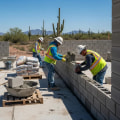
Masonry chimneys are a vital component of many homes, serving not only as a functional element for venting smoke and gases but also as a significant architectural feature. Constructed from durable materials such as brick, stone, or concrete, these chimneys are designed to withstand the test of time. However, understanding the expected lifespan of a masonry chimney is crucial for homeowners who want to ensure the safety and efficiency of their heating systems. The lifespan of a masonry chimney can vary widely based on several factors, including the quality of masonry services used during construction, the materials selected, and the level of maintenance performed over the years. Proper installation by skilled professionals can significantly enhance durability, while neglecting regular upkeep can lead to deterioration and costly repairs.
Homeowners should be aware that environmental factors such as weather conditions and exposure to moisture can also impact the longevity of their masonry chimneys. Regular maintenance is essential for maximizing the lifespan of a masonry chimney. This includes routine inspections to identify any signs of wear or damage, such as cracks or crumbling mortar. By investing in masonry services for repairs and maintenance, homeowners can not only extend the life of their chimneys but also improve their overall home safety. Understanding these aspects will help homeowners make informed decisions about their masonry chimneys and ensure they remain a reliable feature of their homes for many years to come.
What Are Masonry Chimneys?
A masonry chimney is a type of chimney constructed using durable materials such as brick, stone, or concrete.These materials not only provide structural integrity but also enhance the aesthetic appeal of a home. Masonry chimneys are known for their longevity and ability to withstand harsh weather conditions, making them a popular choice among homeowners.
Definition of a Masonry Chimney:
A masonry chimney is defined as a vertical structure that facilitates the safe expulsion of smoke and gases from a fireplace, stove, or furnace. The use of masonry materials ensures that the chimney can handle high temperatures and resist corrosion over time.Types of Masonry Chimneys
- Brick Chimneys: These are the most common type of masonry chimneys, made from fired clay bricks. They offer excellent insulation and are highly resistant to heat.
- Stone Chimneys: Constructed from natural stones like granite or limestone, these chimneys provide a rustic look and exceptional durability.
They are often used in traditional or historic homes.
- Concrete Block Chimneys: Made from concrete blocks, these chimneys are cost-effective and can be easily customized. They are often reinforced with steel for added strength.
Factors Affecting the Lifespan of Masonry Chimneys
The lifespan of a masonry chimney is influenced by several key factors that can significantly affect its durability and overall performance.Understanding these factors can help homeowners make informed decisions regarding masonry services and maintenance practices.
- Environmental Conditions: The climate in which a masonry chimney is located plays a crucial role in its longevity. Extreme weather conditions, such as heavy rainfall, snow, and temperature fluctuations, can lead to moisture infiltration and freeze-thaw cycles that damage the masonry. In coastal areas, salt air can also accelerate deterioration.
- Material Quality: The type of materials used in the construction of the chimney greatly impacts its lifespan. High-quality bricks and mortar are essential for ensuring structural integrity.
Inferior materials may lead to cracks and other issues over time, reducing the chimney's effectiveness.
- Maintenance Practices: Regular maintenance is vital for extending the life of a masonry chimney. This includes routine inspections, cleaning, and timely repairs. Neglecting maintenance can result in the accumulation of creosote, blockages, and structural damage that could have been easily prevented.
- Usage Patterns: How often and how intensely a chimney is used can also affect its lifespan. Frequent use without proper ventilation can lead to overheating and increased wear on the masonry materials.
- Flue Design: The design of the flue within the chimney can impact airflow and efficiency.
A poorly designed flue may cause backdrafts or insufficient draft, leading to increased wear on the chimney structure.
Average Lifespan of Masonry Chimneys
The average lifespan of masonry chimneys can vary significantly based on several factors, including the quality of materials used, the construction techniques employed, and the level of maintenance provided. Generally, a well-constructed masonry chimney can last anywhere from 50 to 100 years. However, some chimneys have been known to exceed this range with proper care and regular inspections.According to various studies and expert opinions, the longevity of masonry chimneys is influenced by:- Material Quality: High-quality bricks and mortar can withstand the elements better than lower-grade materials.
- Climate Conditions: Areas with extreme weather conditions may see a reduction in lifespan due to freeze-thaw cycles and moisture infiltration.
- Maintenance Practices: Regular cleaning and inspections can prevent issues such as creosote buildup and structural damage.
For instance, a study by the National Fire Protection Association (NFPA) suggests that chimneys that are inspected annually have a much lower risk of requiring major repairs or replacements.In terms of chimney longevity statistics, it is essential to note that while many masonry chimneys are built to last, factors such as improper installation or lack of upkeep can drastically shorten their lifespan. Homeowners should be proactive in seeking masonry services for regular maintenance and repairs to ensure their chimney remains safe and functional for years to come.In conclusion, while the expected lifespan of a masonry chimney can be impressive, it ultimately depends on various external factors. By investing in quality materials and regular maintenance, homeowners can maximize the longevity of their masonry chimneys.
Signs Your Masonry Chimney Needs Repair or Replacement
Identifying when your masonry chimney requires repair or replacement is crucial for maintaining the safety and efficiency of your home. Here are some common signs to watch for:- Cracks in the Masonry: Visible cracks in the brick or mortar can indicate structural issues.
Small cracks may be repairable, but larger ones could signal a need for replacement.
- Spalling Bricks: If you notice bricks that are flaking or crumbling, this is known as spalling. It often results from moisture infiltration and can compromise the integrity of your chimney.
- Leaking Water: Water stains on the walls or ceiling near the chimney can indicate leaks. This moisture can lead to further damage if not addressed promptly.
- Chimney Leaning: A chimney that appears to be leaning or tilting is a serious concern. This could indicate foundational issues that require immediate attention.
- Excessive Creosote Buildup: If you notice a significant amount of creosote buildup inside the chimney, it may be time for a thorough cleaning and inspection.
Ignoring this can lead to chimney fires.
Maintenance Tips for Extending the Lifespan of Your Masonry Chimney
Maintaining your masonry chimney is essential for ensuring its longevity and functionality. Here are some practical maintenance tips to help extend the lifespan of your chimney:- Regular Inspections: Schedule annual inspections with a qualified professional who specializes in masonry services.
They can identify potential issues such as cracks, loose bricks, or deteriorating mortar that may need immediate attention.
- Clean the Chimney: Regular cleaning is crucial to prevent creosote buildup, which can lead to chimney fires. A professional cleaning service should be employed at least once a year, especially if you use your fireplace frequently.
- Check for Water Damage: Inspect the chimney for signs of water damage, such as efflorescence (white powdery substance) or spalling bricks. If you notice any issues, consider applying a waterproof sealant to protect the masonry from moisture.
- Maintain the Flashing: The flashing around the chimney is vital for preventing leaks. Ensure it is intact and properly sealed.
If you notice any gaps or rust, have it repaired or replaced promptly.
- Trim Overhanging Branches: Trees and branches that hang over your chimney can cause debris buildup and increase the risk of damage during storms. Regularly trim back any overhanging branches to minimize these risks.
- Use a Chimney Cap: Installing a chimney cap can help keep out rain, snow, and animals while allowing smoke to escape. This simple addition can significantly reduce moisture-related issues.
The Role of Professional Masonry Services in Chimney Care
When it comes to maintaining the integrity and safety of your masonry chimney, professional masonry services play a crucial role. These experts are trained to identify potential issues that may not be visible to the untrained eye, ensuring that your chimney remains in optimal condition.Importance of Professional Inspections
Regular inspections by qualified masonry professionals can help detect problems early, such as cracks, spalling, or deterioration of mortar joints.
These issues, if left unaddressed, can lead to more significant damage and costly repairs down the line. A thorough inspection typically includes:
- Visual assessment of the chimney structure
- Checking for signs of water damage or leaks
- Evaluating the condition of the flue and liner
- Identifying any blockages or buildup
Benefits of Hiring Masonry Services
Engaging masonry services for your chimney care offers several advantages:
- Expertise: Professionals have the knowledge and experience to handle various masonry materials and understand how they react over time.
- Safety: A well-maintained chimney reduces the risk of fire hazards and carbon monoxide poisoning.
- Longevity: Regular maintenance extends the lifespan of your chimney, ensuring it serves you well for years to come.
- Cost-Effectiveness: Preventative care is often less expensive than major repairs caused by neglect.
FAQs About Masonry Chimney Lifespan and Maintenance
When it comes to masonry chimneys, homeowners often have several questions regarding their lifespan and maintenance. Here are some of the most frequently asked questions:How long can a masonry chimney last?
A well-constructed masonry chimney can last anywhere from 50 to 100 years or more, depending on various factors such as the quality of materials used, the climate, and how well it is maintained.Regular inspections and timely repairs can significantly extend its lifespan.
What are the signs that my masonry chimney needs repair?
- Cracks in the mortar or bricks
- Spalling, where bricks begin to flake or crumble
- Water leaks or staining on interior walls
- A leaning chimney or visible structural damage
How can I maintain my masonry chimney?
Proper maintenance is key to ensuring the longevity of your masonry chimney. Here are some tips:- Schedule regular inspections at least once a year.
- Clean the chimney flue to prevent creosote buildup.
- Repair any cracks or damage promptly.
- Ensure proper flashing and waterproofing to prevent water intrusion.
Conclusion: Ensuring Longevity for Your Masonry Chimney
In conclusion, the expected lifespan of a chimney built with masonry materials can be significantly extended through proper maintenance and the use of professional masonry services. While masonry chimneys are known for their durability, factors such as weather conditions, material quality, and regular upkeep play crucial roles in determining their longevity.To ensure your masonry chimney remains in optimal condition, consider the following key points:- Regular Inspections: Schedule annual inspections with a qualified masonry professional to identify any potential issues early on.
- Routine Cleaning: Keep your chimney clean from soot and debris to prevent blockages and reduce the risk of chimney fires.
- Moisture Control: Address any water leaks or moisture issues promptly, as water can weaken masonry over time.
- Repairs and Restoration: Don’t hesitate to invest in repairs when necessary. Timely restoration can prevent minor issues from escalating into major problems.
Remember, a proactive approach not only enhances safety but also preserves the aesthetic appeal and functionality of your masonry chimney.Ultimately, understanding the expected lifespan of your masonry chimney is essential for making informed decisions about its care. With the right attention and professional support, you can ensure that your chimney remains a reliable feature of your home for decades to come.