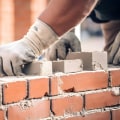
Masonry structures are a vital component of architectural design, known for their durability and aesthetic appeal. These structures are primarily constructed using materials such as brick, stone, and concrete, which are bonded together with mortar. The strength and longevity of masonry make it a popular choice for both residential and commercial buildings. Understanding the different types of masonry is essential for homeowners and property managers alike, as it influences maintenance practices and the need for regular inspections. There are several types of masonry, each with unique characteristics and applications.
- Brick masonry involves the use of fired clay bricks, offering excellent thermal insulation and fire resistance.
- Stone masonry utilizes natural stones, providing a timeless look and exceptional strength.
- Concrete masonry employs concrete blocks, which are often used in modern construction due to their cost-effectiveness and versatility.
Why Regular Inspections Are Essential
Regular inspections of your masonry structure are not just a good idea; they are essential for maintaining structural integrity and ensuring the safety of the occupants. Over time, masonry can be affected by various factors such as weather conditions, moisture, and even seismic activity.These elements can lead to cracks, water infiltration, and other issues that compromise the strength of the structure.
Importance of Inspections
- Early Detection of Problems: Regular inspections allow for the early identification of potential issues before they escalate into costly repairs. Small cracks can often be repaired easily, but if left unchecked, they can lead to significant structural damage.
- Safety Assurance: A thorough inspection ensures that your masonry structure is safe for use. This is particularly important for buildings that house large numbers of people or valuable assets.
- Compliance with Regulations: Many local building codes require regular inspections to ensure safety standards are met. Failing to comply can result in fines or legal issues.
Masonry Maintenance
Incorporating regular inspections into your masonry services routine is a proactive approach to maintenance.
During these inspections, professionals can assess the condition of mortar joints, check for signs of water damage, and evaluate the overall stability of the structure. This not only extends the lifespan of your masonry but also enhances its aesthetic appeal.
Cost-Effectiveness
Investing in regular inspections can save you money in the long run. By addressing minor issues early on, you can avoid major repairs that could be financially burdensome. Additionally, maintaining your masonry structure helps preserve its value, making it a wise investment for property owners.In conclusion, scheduling regular inspections for your masonry structure is crucial for ensuring safety, maintaining structural integrity, and achieving long-term cost-effectiveness.
Don't wait for problems to arise; make inspections a priority in your masonry maintenance plan.
Signs Your Masonry Structure Needs Inspection
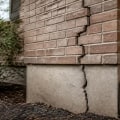
Identifying the need for a masonry inspection is crucial to maintaining the integrity of your structure. Here are some common signs that indicate your masonry may require professional attention:- Cracks in the Walls: Small cracks can be normal, but if you notice large or widening cracks, especially those that run vertically or diagonally, it may signal underlying issues.
- Discoloration or Staining: Water stains or discoloration on your masonry can indicate moisture intrusion, which can lead to serious damage if not addressed promptly.
- Loose or Missing Mortar: If you see crumbling mortar between bricks or stones, it’s a sign that your masonry is deteriorating and needs repair.
- Bulging or Leaning Walls: Any noticeable bulging or leaning in your masonry walls is a serious concern and should be inspected immediately to prevent collapse.
- Efflorescence: The white powdery substance that appears on the surface of bricks is a sign of moisture problems. This indicates that water is seeping through the masonry, which can lead to further damage.
What to Expect During a Masonry Inspection
When scheduling a masonry inspection, homeowners can expect a thorough evaluation of their structure by trained professionals.The masonry inspection process typically involves several key steps to ensure that all aspects of the masonry work are assessed accurately.
- Initial Assessment: The inspector will begin with a visual examination of the exterior and interior masonry surfaces. This includes checking for visible cracks, discoloration, or signs of moisture intrusion.
- Structural Evaluation: The inspector will assess the overall integrity of the masonry structure. This may involve checking load-bearing walls, foundations, and any supporting elements to ensure they are stable and secure.
- Material Inspection: Different types of masonry materials, such as brick, stone, or concrete block, will be evaluated for durability and wear. The inspector will look for signs of deterioration or damage that could compromise the structure.
- Moisture Testing: Moisture levels are critical in masonry structures.
Inspectors often use specialized tools to measure moisture content within the walls and identify potential leaks or water damage.
- Documentation: After completing the inspection, the professional will compile a detailed report outlining their findings. This report may include photographs, recommendations for repairs, and an overview of necessary masonry services.
By being proactive and scheduling these inspections, you can maintain the longevity and safety of your masonry structure.
How Often Should You Schedule Inspections?
When it comes to maintaining the integrity of your masonry structure, understanding inspection frequency is crucial. Regular inspections can help identify potential issues before they escalate into costly repairs. Generally, it is recommended to schedule inspections at least once a year. However, several factors can influence how often you should have your masonry inspected.- Age of the Structure: Older masonry structures may require more frequent inspections.
If your building is over 20 years old, consider scheduling inspections every six months to catch any signs of wear and tear early.
- Environmental Conditions: Homes located in areas with extreme weather conditions—such as heavy rainfall, snow, or high humidity—should be inspected more frequently. These conditions can accelerate the deterioration of masonry materials.
- Previous Issues: If your masonry has a history of problems such as cracking or water damage, it’s wise to increase the frequency of inspections. Addressing these issues promptly can prevent further damage.
Consulting with a professional masonry service can provide you with personalized recommendations based on your unique situation.
Choosing the Right Masonry Services for Inspections
When it comes to ensuring the longevity and safety of your masonry structure, selecting the right masonry services for inspections is crucial. Here are some key factors to consider when choosing a masonry inspector:- Qualifications and Experience: Look for professionals who have relevant certifications and extensive experience in masonry work. A qualified inspector should be familiar with various types of masonry materials and construction techniques.
- Reputation: Research potential contractors by reading online reviews and asking for references. A reputable masonry service will have positive feedback from previous clients, indicating their reliability and quality of work.
- Insurance and Licensing: Ensure that the masonry inspector is licensed to operate in your area and carries liability insurance.
This protects you from any potential damages or accidents that may occur during the inspection process.
- What is your inspection process? Understanding their methodology will give you insight into how thorough they are in assessing your masonry structure.
- Can you provide a detailed report? A professional inspector should be able to provide a comprehensive report outlining their findings, including any necessary repairs or maintenance recommendations.
- What are your rates? Discussing costs upfront can help you avoid any surprises later on. Make sure to inquire about any additional fees that may arise during the inspection.
FAQs About Masonry Inspections
When it comes to masonry inspections, many property owners have questions about the necessity and frequency of these evaluations. Here are some common inquiries:- How often should I schedule a masonry inspection?
It is generally recommended to have a professional inspection every 3 to 5 years, depending on the age and condition of your structure. However, if you notice any signs of damage, such as cracks or water infiltration, you should schedule an inspection immediately. - What does a masonry inspection involve?
A typical masonry inspection includes a thorough examination of the walls, joints, and foundation.Inspectors will look for signs of wear, structural integrity, and potential issues that could lead to more significant problems if left unaddressed.
- Are masonry inspections necessary for new constructions?
Yes, even new masonry structures should undergo inspections to ensure that the work meets local building codes and standards. This can help identify any construction flaws early on. - What are the benefits of regular masonry inspections?
Regular inspections can help you catch minor issues before they escalate into costly repairs. They also provide peace of mind, knowing that your structure is safe and sound. - Can I perform a masonry inspection myself?
While you can conduct a basic visual check for obvious signs of damage, it is advisable to hire a professional for a comprehensive evaluation. Professionals have the expertise and tools necessary to identify hidden problems.
They can provide tailored advice based on your specific needs and conditions.
Conclusion: The Value of Regular Inspections for Your Masonry Structure
In conclusion, scheduling regular inspections for your masonry structure is not just a recommendation; it is a vital practice that can save you time, money, and stress in the long run.Masonry services
play a crucial role in ensuring the longevity and safety of your building. By identifying potential issues early, you can prevent minor problems from escalating into major repairs.Throughout this article, we have discussed several key reasons why regular inspections are essential:- Structural Integrity: Regular assessments help maintain the structural integrity of your masonry, ensuring that it can withstand environmental stresses.
- Preventative Maintenance: Inspections allow for preventative maintenance, which is often more cost-effective than reactive repairs.
- Safety Concerns: Identifying cracks, water damage, or other issues early can prevent safety hazards for occupants and visitors.
- Property Value: A well-maintained masonry structure retains its value better than one that has been neglected.
By prioritizing these evaluations, you are not only protecting your investment but also enhancing the safety and comfort of those who use the space. Don’t wait for problems to arise; schedule your masonry inspection today and enjoy peace of mind knowing your structure is in good hands.