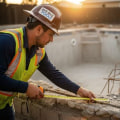
Masonry is a time-honored construction technique that involves the use of materials such as bricks, stones, and concrete blocks to create durable structures. This method not only provides aesthetic appeal but also ensures strength and longevity, making it a preferred choice in both residential and commercial projects. Understanding the importance of masonry is crucial, as it forms the backbone of many buildings, contributing to their stability and safety. There are several types of masonry work, each serving different purposes and requiring specific skills. For instance, brick masonry is widely used for its versatility and thermal efficiency, while stone masonry offers a timeless elegance that enhances the visual appeal of any structure.
Additionally, concrete masonry is favored for its strength and cost-effectiveness, making it ideal for foundations and load-bearing walls. Each type has its unique characteristics and applications, which underscores the need for specialized masonry services.As structures age or face environmental challenges, they may develop cracks or damage that necessitate repair. Understanding the repair process for damaged masonry is essential for maintaining the integrity of these structures. By recognizing the significance of proper masonry work and repair techniques, property owners can ensure their investments remain safe and visually appealing for years to come.
Identifying Damage in Masonry
Identifying damage in masonry is crucial for maintaining the integrity of your structure.Various signs can indicate that your masonry requires attention, and recognizing these early can prevent more extensive repairs down the line.
Common Signs of Cracked Masonry
- Visible Cracks: Look for cracks in the mortar joints or the masonry units themselves. These can vary in size and may appear as hairline fractures or larger gaps.
- Spalling: This occurs when pieces of the masonry surface begin to flake or chip away, often due to moisture infiltration or freeze-thaw cycles.
- Efflorescence: A white, powdery substance on the surface of bricks or stones indicates moisture issues. This can lead to further deterioration if not addressed.
Types of Masonry Damage
Masonry damage can manifest in several forms, each requiring different approaches for repair:- Structural Cracks: These are serious and may indicate foundational issues. They often require professional assessment and repair.
- Cosmetic Cracks: While not immediately threatening, these cracks can worsen over time and should be monitored.
- Water Damage: Signs include discoloration, mold growth, or crumbling materials.
Addressing water intrusion is essential to prevent further damage.
Assessing the Extent of Damage
When it comes to assessing masonry damage, the first step is to conduct a thorough visual inspection. Look for visible signs of distress such as cracks, crumbling mortar, or shifting bricks. These indicators can help you determine the severity of the damage and whether immediate action is required.Severity of Masonry Cracks
- Hairline Cracks: These are typically less than 1/8 inch wide and may not indicate serious structural issues.
However, they should still be monitored over time.
- Moderate Cracks: Cracks that measure between 1/8 inch and 1/2 inch can suggest underlying problems. It’s advisable to keep an eye on these and consider consulting a professional if they worsen.
- Severe Cracks: Cracks wider than 1/2 inch often signal significant structural damage. If you notice these, it’s crucial to seek masonry services immediately to prevent further deterioration.
When to Call a Professional
If your inspection reveals any of the following conditions, it’s time to call in a professional:
- The cracks are extensive or worsening over time.
- You observe signs of water infiltration or mold growth.
- The structural integrity of your building seems compromised.
- You are unsure about the cause of the damage or how to proceed with repairs.
Remember, timely intervention can save you from more costly repairs down the line.
Common Masonry Repair Techniques
Repairing damaged masonry is essential to maintain the structural integrity and aesthetic appeal of your property. Here are some common masonry repair techniques that can effectively address issues such as cracks and deterioration.Tuckpointing
Tuckpointing is a technique used to repair the mortar joints between bricks. This method involves:- Removing damaged mortar: Use a chisel or a mortar saw to carefully remove the old, crumbling mortar to a depth of about 1 inch.
- Cleaning the joints: Clear out any debris or dust from the joints using a wire brush or compressed air.
- Mixing new mortar: Prepare a new batch of mortar that matches the original in color and composition.
- Applying new mortar: Fill the joints with the new mortar using a pointing trowel, ensuring it is compacted well.
- Smoothing the surface: Finish by smoothing the surface with a jointing tool for a clean look.
Repointing
Repointing is similar to tuckpointing but focuses on replacing old mortar with new mortar in areas where it has completely deteriorated. The steps include:- Assessing the damage: Identify areas where the mortar is missing or severely cracked.
- Removing old mortar: Carefully chip away the damaged mortar using appropriate tools.
- Preparing and applying new mortar: Mix and apply new mortar as described in the tuckpointing section, ensuring proper adhesion.
Patching
Patching is ideal for small cracks or holes in masonry surfaces.This method involves:
- Cleaning the area: Remove any loose debris around the crack or hole.
- Applying patching compound: Use a masonry patching compound to fill in the damaged area, following manufacturer instructions for application.
- Smoothing and finishing: Smooth out the surface with a trowel and allow it to cure as recommended.
Tools and Materials Needed for Masonry Repairs
When embarking on masonry repairs, having the right tools and materials is crucial for achieving a professional finish. Below is a comprehensive list of essential items you will need for effective masonry repairs.Essential Tools for Masonry Repair
- Trowel: A pointed trowel is essential for applying mortar and shaping it around bricks or stones.
- Masonry Hammer: This tool is used for breaking and shaping bricks, making it indispensable for any masonry project.
- Chisel: A cold chisel helps in removing damaged mortar or brick, allowing for a clean repair.
- Joint Raker: This tool is specifically designed to remove old mortar from joints, ensuring a solid base for new material.
- Level: A masonry level ensures that your work is even and aligned properly, which is vital for structural integrity.
- Mixing Bucket: For mixing mortar or concrete, a sturdy bucket is necessary to achieve the right consistency.
Materials for Repairing Masonry
- Mortar: Choose the appropriate type of mortar based on your specific masonry needs; options include Type N, S, or M.
- Bricks or Stones: If replacement is necessary, ensure you have matching bricks or stones to maintain aesthetic consistency.
- Water: Clean water is essential for mixing mortar and cleaning tools during the repair process.
Step-by-Step Process for Repairing Cracked Masonry
Repairing cracked masonry is essential to maintain the structural integrity and aesthetic appeal of your property.Here’s a step-by-step guide to help you through the process, whether you’re a DIY enthusiast or considering hiring masonry services.
- Assess the Damage: Begin by examining the extent of the cracks. Small hairline cracks may only require minor repairs, while larger cracks could indicate underlying issues that need professional attention.
- Gather Your Tools and Materials: For a DIY repair, you will need:
- Masonry chisel
- Masonry hammer
- Mortar mix
- Trowel
- Wire brush
- Safety goggles and gloves
- Prepare the Area: Clean the cracked area using a wire brush to remove any loose debris or old mortar. This ensures better adhesion for the new material.
- Mix the Mortar: Follow the instructions on your mortar mix package. Aim for a consistency that is workable but not too wet, as this can weaken the repair.
- Apply the Mortar: Using a trowel, fill in the cracks with the mixed mortar.
Press firmly to ensure it adheres well to the existing masonry. For larger cracks, you may need to apply in layers, allowing each layer to set before adding more.
- Smooth and Finish: Once filled, smooth out the surface with your trowel to match the surrounding masonry. This step is crucial for aesthetic purposes.
- Curing: Allow the mortar to cure according to the manufacturer’s instructions. This typically involves keeping it moist for several days to ensure proper hardening.
- Inspect and Maintain: After repairs are complete, regularly inspect your masonry for new cracks or signs of damage.
Early detection can save you from more extensive repairs in the future.
Preventative Measures to Avoid Future Damage
To ensure the longevity of your masonry structures, implementing preventative measures is essential. Regular maintenance not only enhances the aesthetic appeal of your property but also protects it from potential damage.1.Regular Inspections
- Conduct routine inspections of your masonry for signs of wear, such as cracks, efflorescence, or loose bricks. Early detection can prevent more extensive repairs.
- Pay special attention to areas where water may accumulate, as moisture is a primary cause of masonry damage.
2.Proper Drainage
- Ensure that gutters and downspouts are functioning correctly to direct water away from your masonry.
Clogged gutters can lead to water pooling, which can seep into the masonry and cause deterioration.
- Consider grading the landscape around your home to promote drainage away from the foundation.
3.Sealants and Waterproofing
- Applying a high-quality sealant can protect your masonry from moisture penetration. This is particularly important in areas with heavy rainfall or snow.
- Reapply sealants every few years to maintain their effectiveness.
4.Routine Cleaning
- Keep your masonry clean by removing dirt, mold, and mildew. Use a soft brush and mild detergent to avoid damaging the surface.
- Avoid using harsh chemicals or pressure washing, as these can erode the mortar and brick over time.
5.Professional Maintenance
- Consider hiring masonry services for periodic professional inspections and maintenance. Experts can identify issues that may go unnoticed and provide solutions tailored to your specific needs.
- Regular maintenance by professionals can extend the life of your masonry and save you money on future repairs.
Frequently Asked Questions About Masonry Repairs
When it comes to masonry repairs, many homeowners have questions about the process, timeline, and costs involved.Here are some frequently asked questions that can help clarify these aspects.
What are common types of masonry repairs?
Common masonry repairs include:- Crack filling: Addressing small cracks in bricks or mortar to prevent further damage.
- Repointing: Removing old mortar and replacing it with new to restore structural integrity.
- Brick replacement: Replacing damaged or missing bricks to maintain the aesthetic and structural quality.
- Waterproofing: Applying sealants to prevent moisture intrusion, which can lead to more severe damage.
How long do masonry repairs take?
The duration of masonry services can vary significantly based on the extent of the damage and the type of repair needed. Generally, minor repairs like crack filling may take just a few hours, while more extensive work such as repointing or brick replacement could take several days. Factors influencing the timeline include:- The size of the area being repaired.
- The weather conditions, which can affect drying times for materials.
- The availability of materials and labor.
What should I consider before hiring a masonry contractor?
Before hiring a contractor for your masonry repairs, consider the following:- Experience: Look for contractors with a proven track record in masonry services.
- References: Ask for references or check online reviews to gauge customer satisfaction.
- Estimates: Obtain multiple estimates to ensure you are getting a fair price for the work required.
Conclusion: Key Takeaways on Masonry Repair Processes
In summary, understanding the masonry repair process is crucial for maintaining the integrity and aesthetics of your property. Whether dealing with minor cracks or significant damage, recognizing the steps involved can help you make informed decisions about masonry services.Key Takeaways:
- Assessment: The first step in any masonry repair is a thorough assessment of the damage.
This involves identifying the type of masonry, the extent of the damage, and any underlying issues that may have contributed to the deterioration.
- Preparation: Proper preparation is essential for effective repairs. This includes cleaning the area, removing loose materials, and ensuring that the surface is ready for new materials.
- Repair Techniques: Depending on the severity of the damage, various techniques may be employed. For minor cracks, grouting or caulking may suffice, while more extensive damage might require repointing or even complete reconstruction.
- Material Selection: Choosing the right materials is vital for a successful repair. Using compatible materials ensures that the repair blends seamlessly with existing masonry and maintains structural integrity.
- Finishing Touches: After repairs are made, finishing touches such as sealing and painting can enhance durability and appearance.
This step not only protects the masonry but also improves its visual appeal.