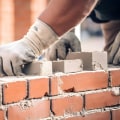
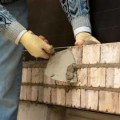
Masonry services encompass a wide range of techniques and skills used to construct, repair, and maintain structures made from brick, stone, and concrete. Among these essential services, tuckpointing and repointing play crucial roles in preserving the integrity and aesthetic appeal of masonry work. Understanding the differences between these two methods is vital for homeowners and property managers looking to maintain their buildings effectively. Tuckpointing involves the process of creating a fine joint between bricks or stones by filling the mortar joints with a contrasting color to enhance the visual appeal of the structure. This technique not only improves the appearance of the masonry but also helps protect it from moisture infiltration.
On the other hand, repointing focuses on repairing or replacing deteriorated mortar joints to restore structural stability and prevent further damage. While both methods aim to enhance the longevity of masonry, they serve distinct purposes that cater to different needs. As we delve deeper into the world of masonry services, it becomes clear that choosing between tuckpointing and repointing depends on various factors, including the condition of the existing mortar, aesthetic preferences, and overall structural requirements. By understanding these differences, property owners can make informed decisions that will ultimately safeguard their investments and ensure their masonry work remains both functional and visually appealing for years to come.
What is Tuckpointing?
Tuckpointing
is a specialized masonry technique that involves the careful removal and replacement of mortar joints in brickwork. This process not only enhances the aesthetic appeal of a structure but also serves a critical function in maintaining its integrity.
By using a contrasting color of mortar to fill the joints, tuckpointing creates the illusion of finely pointed joints, giving the appearance of a more polished and refined finish.The primary purpose of tuckpointing is to repair and restore the mortar joints that may have deteriorated over time due to weather exposure, moisture infiltration, or general wear and tear. This technique is particularly beneficial for older buildings where the original mortar may have crumbled or cracked, leading to potential structural issues.
Benefits of Tuckpointing
- Enhanced Aesthetics: Tuckpointing improves the visual appeal of brickwork by providing a clean and uniform look.
- Structural Integrity: By repairing damaged mortar joints, tuckpointing helps prevent water infiltration and further deterioration, thus prolonging the life of the masonry.
- Cost-Effective Maintenance: Regular tuckpointing can save homeowners from more extensive repairs in the future, making it a wise investment in masonry services.
- Increased Property Value: Well-maintained brickwork can enhance the overall value of a property, making it more attractive to potential buyers.
What is Repointing?
Repointing
is a crucial masonry service that involves the process of renewing the external part of the mortar joints in masonry construction. This technique is essential for maintaining the structural integrity and aesthetic appeal of brickwork, stonework, and other masonry structures.The primary purpose of repointing is to repair and restore the mortar joints that have deteriorated over time due to weather exposure, moisture infiltration, or general wear and tear.
By replacing old, crumbling mortar with fresh material, repointing helps to prevent further damage to the masonry and extends the lifespan of the structure.
Benefits of Repointing
- Enhanced Durability: Repointing strengthens the overall structure by ensuring that the mortar joints are solid and capable of withstanding environmental stresses.
- Improved Aesthetics: Freshly repointed joints can significantly enhance the visual appeal of a building, restoring its original charm and character.
- Water Resistance: Properly executed repointing creates a barrier against moisture penetration, reducing the risk of water damage and mold growth.
- Energy Efficiency: By sealing gaps in the masonry, repointing can improve insulation, leading to better energy efficiency in heating and cooling.
- Cost-Effective Maintenance: Regular repointing can prevent more extensive repairs down the line, saving homeowners money in the long run.
Key Differences Between Tuckpointing and Repointing
When it comes to masonry services, understanding the distinctions between tuckpointing and repointing is essential for homeowners and contractors alike. Both techniques are used to maintain and restore the integrity of brickwork, but they serve different purposes and involve different methods.Tuckpointing
Tuckpointing is a specialized technique that involves creating a fine line of mortar between bricks to enhance the aesthetic appeal of masonry. This method typically uses two contrasting colors of mortar: one that matches the brick and another that is lighter, which is used to create the illusion of narrow joints.The process not only improves the visual aspect of the wall but also helps in sealing any gaps that may allow moisture infiltration.
Repointing
Repointing, on the other hand, focuses primarily on repairing deteriorated mortar joints. This process involves removing old, damaged mortar and replacing it with new mortar that matches the original in composition and color. Repointing is crucial for maintaining the structural integrity of masonry, as it prevents water damage and further deterioration.Key Differences
- Purpose: Tuckpointing is mainly for aesthetic enhancement, while repointing is for structural repair.
- Technique: Tuckpointing uses two colors of mortar to create a visual effect; repointing uses a single color to match existing mortar.
- Application: Tuckpointing is often applied to newer structures or for decorative purposes, whereas repointing is essential for older buildings showing signs of wear.
When to Use Tuckpointing vs.
RepointingChoosing between tuckpointing and repointing is crucial for effective masonry services, as each method serves distinct purposes based on the condition of your masonry. Understanding when to use each technique can significantly impact the longevity and appearance of your brickwork.
When to Use Tuckpointing
Tuckpointing is ideal when you want to enhance the aesthetic appeal of your masonry while also addressing minor structural issues. This method involves:- Cosmetic Improvement: If your bricks are in good condition but the mortar joints are worn or discolored, tuckpointing can restore the visual integrity without replacing the entire joint.
- Minor Damage: Use tuckpointing when there are only small cracks or gaps in the mortar that do not compromise the overall structure.
- Historical Restoration: For older buildings, tuckpointing can replicate traditional mortar styles, preserving historical accuracy.
When to Use Repointing
Repointing is necessary when the mortar joints are severely damaged or compromised. This method is more extensive and involves:- Structural Integrity: If you notice significant cracks, crumbling, or erosion in the mortar, repointing is essential to prevent water infiltration and further damage.
- Widespread Damage: When multiple joints show signs of deterioration, repointing ensures a uniform repair that strengthens the entire wall.
- Preventative Maintenance: If your masonry is showing early signs of wear, opting for repointing can be a proactive measure to extend its lifespan.
Consulting with a professional masonry service can provide valuable insights tailored to your specific needs, ensuring that you choose the most effective repair method for your property.
Common Myths About Tuckpointing and Repointing
When it comes to masonry services, there are several myths surrounding the processes of tuckpointing and repointing that can lead to confusion among homeowners and property managers. Understanding these misconceptions is crucial for making informed decisions about masonry maintenance.- Myth 1: Tuckpointing and repointing are the same. While both processes involve working with mortar joints, they serve different purposes. Tuckpointing is primarily an aesthetic technique that involves creating the illusion of fine joints, while repointing focuses on repairing and replacing deteriorated mortar to restore structural integrity.
- Myth 2: Tuckpointing is only for old buildings. Many believe that tuckpointing is exclusively for historic structures. In reality, it can be applied to any masonry work where aesthetics are a concern, regardless of the building's age.
- Myth 3: Repointing is unnecessary if the mortar looks fine. Just because mortar appears intact does not mean it is structurally sound.
Hidden damage can compromise the stability of your masonry, making regular inspections and timely repointing essential.
- Myth 4: Both processes are DIY-friendly. While some homeowners may feel confident tackling minor repairs, both tuckpointing and repointing require specialized skills and knowledge. Hiring professional masonry services ensures that the job is done correctly and safely.
Choosing the Right Masonry Service Provider
When it comes to masonry services, particularly for tuckpointing and repointing, selecting the right service provider is crucial for ensuring quality work and longevity of your masonry structures. Here are some essential tips to help you make an informed decision:- Check Credentials: Always verify that the masonry contractor is licensed and insured.
This protects you from liability in case of accidents and ensures that the contractor meets industry standards.
- Experience Matters: Look for a provider with extensive experience in masonry services. Ask how long they have been in business and if they specialize in tuckpointing or repointing.
- Ask for References: A reputable contractor should be able to provide references from previous clients. Contact these references to inquire about their experiences and satisfaction with the work performed.
- Get Multiple Quotes: Don’t settle for the first estimate you receive. Obtain quotes from several contractors to compare pricing, services offered, and timelines.
This will give you a better understanding of the market rate.
- Review Portfolios: Request to see examples of past projects similar to yours. A strong portfolio can showcase the contractor’s skill level and attention to detail.
- Discuss Materials: Inquire about the materials they plan to use for your project. High-quality materials can significantly impact the durability and appearance of your masonry work.
- Communication is Key: Choose a contractor who communicates clearly and promptly. Good communication can prevent misunderstandings and ensure that your project runs smoothly.
Conclusion: Making Informed Decisions in Masonry Work
In conclusion, understanding the differences between tuckpointing and repointing is essential for anyone considering masonry services.Both techniques serve the purpose of maintaining and enhancing the structural integrity of masonry work, but they do so in distinct ways that cater to different needs.
Tuckpointing
is primarily focused on aesthetics, providing a clean and polished look to brickwork by creating the illusion of fine joints. This method is ideal for older buildings where preserving historical accuracy and visual appeal is paramount. On the other hand, repointing emphasizes functionality, addressing structural issues by replacing deteriorated mortar to ensure the longevity and stability of the masonry.When deciding between these two methods, consider the following:- Condition of the Masonry: Assess whether the primary concern is aesthetic enhancement or structural repair.
- Type of Building: Historical buildings may benefit more from tuckpointing, while newer structures might require repointing.
- Budget Considerations: Tuckpointing can be more labor-intensive and costly due to its detailed nature.
By understanding these differences, you can better appreciate the craftsmanship involved in masonry services and choose the right approach for your project.