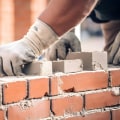
When embarking on a masonry project, understanding mortar is crucial. Mortar is a mixture of sand, water, and cement that acts as a binding agent for bricks, stones, and other masonry units. It not only holds these materials together but also plays a significant role in the overall durability and aesthetic appeal of the structure. The right type of mortar can enhance the longevity of your project, ensuring it withstands the test of time and environmental factors. There are several types of mortar, each designed for specific applications and conditions.
For instance, Type N mortar is commonly used for above-grade walls due to its moderate strength and flexibility, while Type S mortar offers higher strength and is ideal for load-bearing walls. Understanding these differences is essential when selecting the appropriate mortar for your masonry services. The choice of mortar can affect not only the structural integrity but also the visual characteristics of your project. The importance of mortar in masonry cannot be overstated. It provides essential support to the structure, helping to distribute loads evenly and prevent cracking or shifting over time.
Additionally, mortar contributes to the overall aesthetic by filling gaps between masonry units, creating a seamless appearance. Choosing the right mortar ensures that your masonry project not only meets structural requirements but also achieves the desired look and feel.
Types of Mortar: An Overview
When embarking on a masonry project, selecting the appropriate type of mortar is crucial for ensuring durability and structural integrity. There are several types of mortar, each designed for specific applications and conditions. Below is an overview of the most common mortar types used in masonry services.- Type N Mortar: This is a general-purpose mortar that is ideal for above-grade, interior, and exterior load-bearing walls.
It has a medium compressive strength of about 750 psi, making it suitable for most residential projects. Type N is particularly effective in areas with moderate weather conditions.
- Type S Mortar: Known for its high strength, Type S mortar has a compressive strength of 1,800 psi. It is recommended for below-grade applications and areas exposed to high winds or seismic activity. This type is often used in structural walls and foundations due to its superior bonding capabilities.
- Type M Mortar: With a compressive strength of 2,500 psi, Type M is the strongest of the common mortar types.
It is typically used in heavy-load applications such as retaining walls and in areas where high compressive strength is required. However, it should be used with caution as it can be too rigid for some applications, potentially leading to cracking.
- Type O Mortar: This type has a lower compressive strength (about 350 psi) and is primarily used for non-load-bearing walls and interior applications. It’s ideal for historic restoration projects where flexibility and breathability are essential.
Factors to Consider When Choosing Mortar
When it comes to choosing mortar for your masonry project, several key factors must be considered to ensure the longevity and stability of your structure.Understanding these factors will help you select the best mortar for your specific needs.
- Climate: The local climate plays a significant role in determining the type of mortar you should use. In areas with extreme temperatures or high moisture levels, a more flexible mortar may be necessary to accommodate expansion and contraction. For instance, in freeze-thaw climates, using a mortar with a lower water absorption rate can prevent damage.
- Type of Masonry Units: Different masonry units, such as brick, stone, or concrete blocks, require different types of mortar. For example, brick masonry often pairs well with a softer mortar that allows for some movement, while concrete block may need a stronger mix to support heavier loads.
- Load-Bearing Requirements: If your masonry project involves load-bearing walls or structures, it’s crucial to choose a mortar that can handle the weight.
High-strength mortars are typically recommended for these applications to ensure safety and durability.
- Aesthetic Considerations: The appearance of the mortar joint can also influence your choice. Some projects may require a specific color or texture to match the overall design. In such cases, consider using colored mortars or additives that can enhance the visual appeal.
Common Mistakes to Avoid When Selecting Mortar
Choosing the right type of mortar for your masonry project is crucial, yet many DIYers and even seasoned professionals make common mistakes that can lead to structural issues or aesthetic problems.Here are some frequent errors to avoid:
- Ignoring the Environment: One of the biggest mistakes is not considering the environmental conditions where the masonry will be installed. For instance, using a mortar that is too weak for wet climates can lead to deterioration over time.
- Overlooking Compatibility: Not all mortars are compatible with every type of masonry unit. For example, using a standard mortar with lightweight blocks may not provide the necessary bond strength. Always check compatibility with your specific materials.
- Neglecting the Purpose: Different projects require different types of mortar.
For instance, if you’re working on a load-bearing wall, you need a stronger mix compared to a decorative feature. Failing to match the mortar type to its intended use can compromise the integrity of your project.
- Misjudging the Mix Ratio: Many people underestimate the importance of proper mix ratios. A common error is adding too much water, which can weaken the mortar and lead to cracking. Always follow manufacturer guidelines for mixing.
- Forgetting About Curing Time: Rushing the curing process can lead to poor adhesion and strength.
It’s essential to allow adequate time for the mortar to cure before exposing it to stress or weather conditions.
How to Mix Mortar Properly for Your Project
Mixing mortar correctly is crucial for the success of your masonry project. Whether you are working with brick, stone, or block, the right mix will ensure durability and strength. Here’s a step-by-step guide on how to mix mortar properly.- Gather Your Materials: You will need Portland cement, sand, lime (if using a type N or S mortar), and water.
Make sure to use clean, dry materials to avoid contamination.
- Choose the Right Ratio: For standard mortar, a common mix is 1 part cement, 1 part lime, and 6 parts sand. Adjust the ratio based on the type of mortar you need for your specific masonry services.
- Mix Dry Ingredients: In a wheelbarrow or mixing container, combine the dry ingredients thoroughly. This ensures an even distribution of materials before adding water.
- Add Water Gradually: Start by adding a small amount of water to the dry mix. Use a trowel or mixer to blend the ingredients.
Continue adding water slowly until you achieve a workable consistency.
- Aim for the Right Consistency: The ideal mortar should be thick enough to hold its shape but wet enough to spread easily. A good test is to scoop some up with your trowel; it should hold its form without slumping.
- Mix Thoroughly: Ensure that all ingredients are well combined. There should be no dry patches or lumps in your mixture. A consistent texture is key for optimal performance.
- Use Immediately: Mortar can start to set quickly, so it’s best to use it right after mixing.
If you need to store it, cover it with plastic to prevent it from drying out.
FAQs About Choosing Mortar for Masonry Projects
When embarking on a masonry project, selecting the right type of mortar is crucial for ensuring durability and structural integrity. Here are some frequently asked questions that can help guide your decision-making process.What are the different types of mortar?
- Type M: This is a high-strength mortar suitable for load-bearing walls and foundations.
- Type S: Known for its superior bonding capabilities, Type S is ideal for exterior walls and structures exposed to high winds.
- Type N: A general-purpose mortar, Type N is perfect for above-grade walls and is commonly used in residential projects.
- Type O: This is a low-strength mortar used primarily for interior non-load bearing walls.
How do I determine which mortar to use?
The choice of mortar depends on several factors, including the type of masonry units you are using, the environmental conditions, and the specific requirements of your project. For example, if you are working in an area with high moisture levels, a more water-resistant mortar like Type S may be necessary.Can I mix different types of mortar?
It is generally not recommended to mix different types of mortar as this can compromise the strength and performance of the final product.Each type of mortar has specific properties designed for particular applications.
What should I consider when purchasing mortar?
- Climate: Consider the weather conditions in your area; some mortars perform better in extreme temperatures.
- Application: Think about whether your project is load-bearing or decorative, as this will influence your choice.
- Compatibility: Ensure that the mortar you choose is compatible with the masonry units you are using.
Conclusion: Making the Right Choice for Your Masonry Needs
Choosing the right type of mortar is crucial for the success of your masonry project. The mortar you select not only affects the structural integrity of your work but also influences its aesthetic appeal and longevity. Throughout this article, we have explored various types of mortar, including Type N, Type S, and Type M, each with its unique properties and suitable applications.To summarize, here are the key considerations when selecting mortar:- Project Requirements: Assess the specific needs of your masonry project.
For example, if you are working on a load-bearing wall, Type M mortar may be necessary due to its high compressive strength.
- Environmental Conditions: Consider the climate and exposure conditions. In areas with freeze-thaw cycles, a more flexible mortar like Type S can help prevent cracking.
- Material Compatibility: Ensure that the mortar you choose is compatible with the masonry units you are using. This compatibility is essential for achieving a strong bond and preventing moisture infiltration.
- Aesthetic Considerations: The color and texture of the mortar can significantly impact the overall look of your project. Choose a mortar that complements your bricks or stones.
They can help you navigate through the options and ensure that you make an informed decision that aligns with both your functional needs and design preferences.In conclusion, taking the time to select the appropriate mortar will not only enhance the durability of your masonry work but also contribute to its visual appeal. By understanding the different types of mortar available and their respective applications, you can confidently move forward with your masonry project, ensuring it stands the test of time.